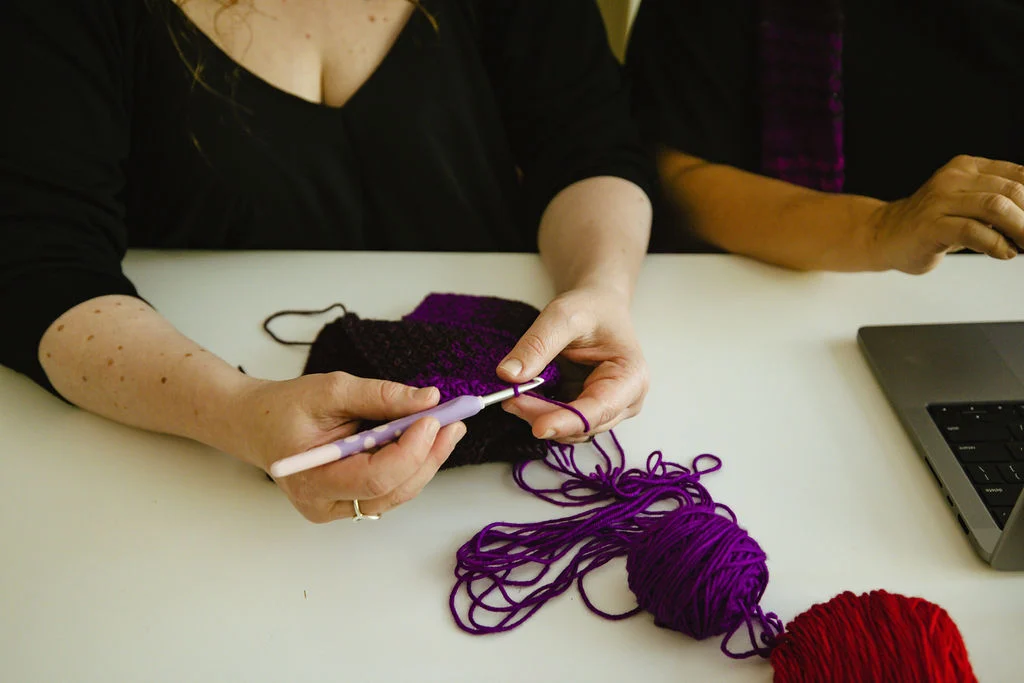


For Leanna Haughian of Crafty Bones, thoughtful collaboration and clear communication are central to the design process. Known for her timeless crochet patterns and focus on crochet chart mastery, Leanna pairs her designs with educational tools—like her free Crochet Stitch Library—to help makers expand their skills with confidence.
This article continues our three-part “Pattern Testing in Practice” series, in which knit and crochet designers share their individual approaches to running pattern tests—from getting started to building collaborative relationships to developing systems that make sense for their businesses. (Check out the previous blog post if you missed it!)
Having begun her own design journey as a pattern tester, Leanna brings a firsthand perspective to the process. In this post, she shares how clear expectations, organized workflows, and open communication can transform designer–tester relationships into true collaboration.
I started out as a crochet designer by being a pattern tester myself. That experience shaped everything about how I work with testers today. I’m all about keeping the process clear, the communication open, and the collaboration real. My goal is to always make sure testers feel confident in what’s expected, and that I’m getting the honest feedback I need to make each pattern the best it can be.
Finding Pattern Testers: What’s Worked for Me
I find testers in a few different ways. When I was first starting out, I relied on Facebook groups designed for tester calls. They’re a great resource if you’re new to designing or still building your online community. They don’t always work out, but when they do, they’re gold.
These days, I mainly use Instagram stories and my email list. I post a tester call and link to my Google Forms that’s made just for that pattern. If someone has tested for me before, I’ll ask if they want to join my dedicated tester list. And when I really need to fill a specific size, I’ll reach out to my full email list.
Before I put out any tester call, though, the pattern is always 100% ready. It’s written, graded, photographed, and all the details are in place. I want my testers to know exactly what they’re signing up for.
Creating a Crochet Pattern Tester Application
Every pattern gets its own application form. I’m upfront about the expectations from the start. Filling out the form means they’re agreeing to the terms of the test. Here’s what I always include:
- When they’ll hear if they’re selected
- The test start and end dates
- What’s required: one modeled or staged photo, feedback through a form, and comments left in the Canva doc
- What’s optional (but always appreciated): any social media posts or stories; if they tag me, I reshare and tag them too
I also ask if they’ve tested before. It doesn’t affect whether they’re chosen, it just helps me understand their experience and how to best support them.
Because I build my patterns in Canva, I check that testers have an account (even the free version is fine) and are comfortable using it to leave feedback. Keeping everything in one place really helps me stay organized.
I also include:
- The stitches and techniques they’ll need (or should be willing to learn)
- Hook size, yarn weight, and the exact yarn I used (to help them with yarn subbing)
- Yardage per size, listed in both meters and yards
- A size chart or schematic
For garments, I ask for their actual chest measurement to make sure they’re picking a size that fits the intended ease.
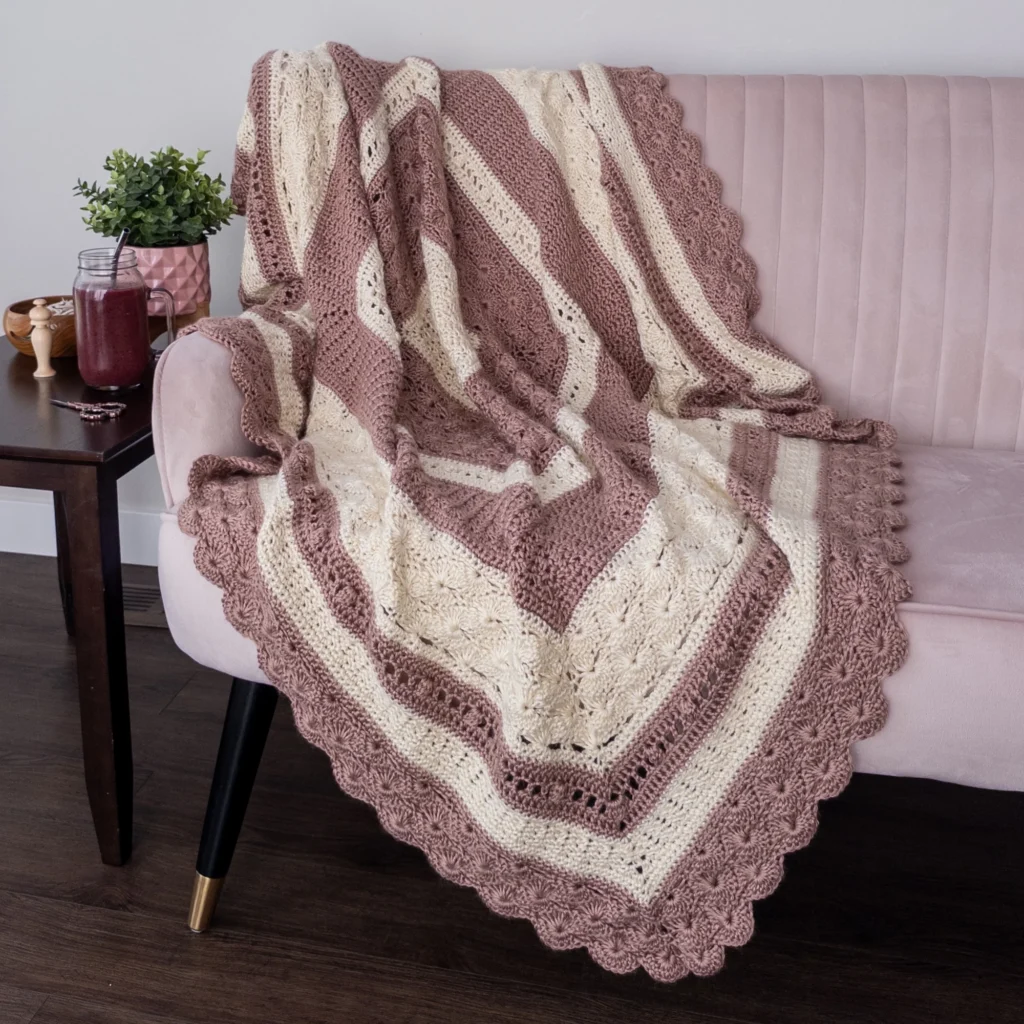
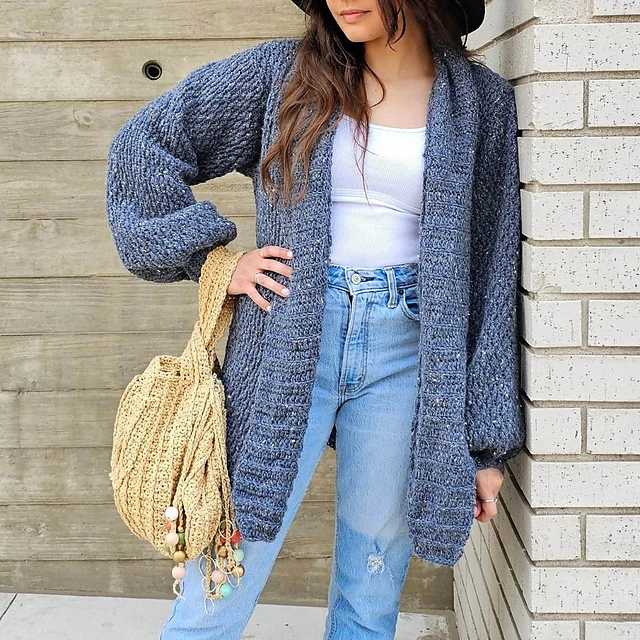
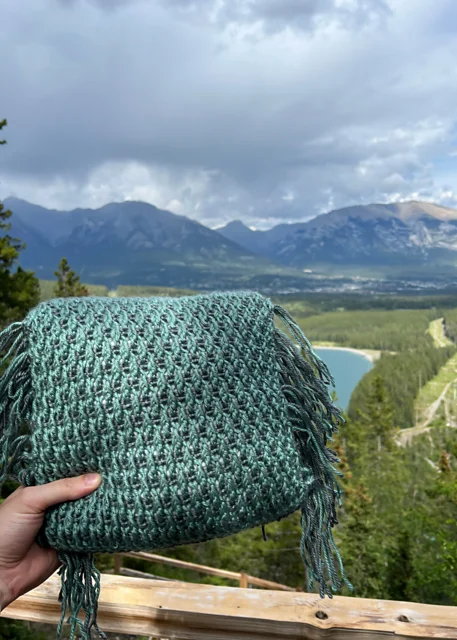
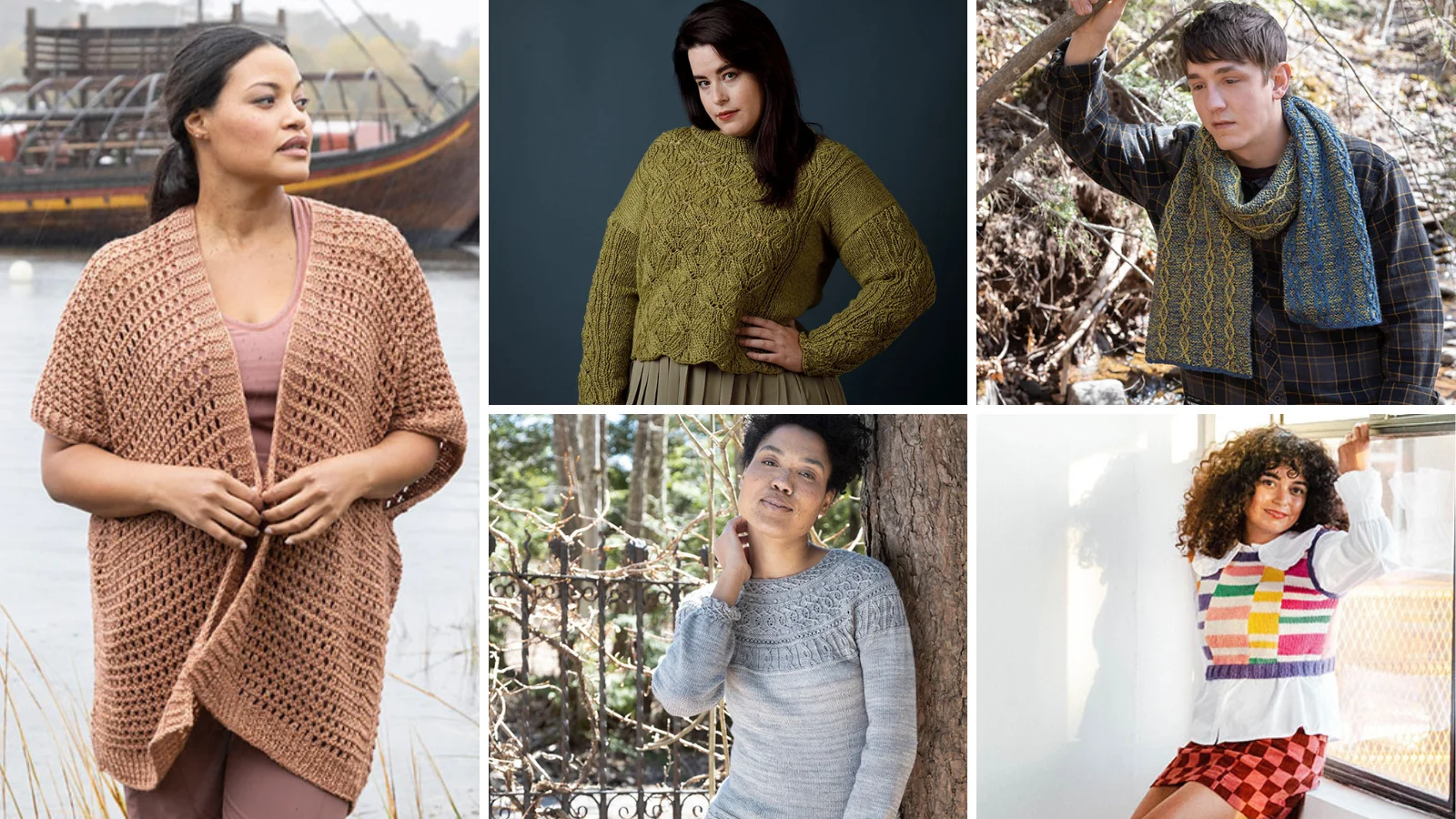
[Pictured: Shell & Lace Throw, Bishop Cardigan, Wandering the Alpines]
Managing and Supporting Your Pattern Testers
Once testers are selected, I send a welcome email with everything they’ll need: pattern link (set to Comment Only), feedback form, and key deadlines. I’ve learned it’s helpful for testers to look over the feedback form right away so they know what kinds of things I’ll be asking about.
I also start a group chat on Instagram. I kick things off with introductions and ask what yarn they’ve picked. A couple of days in, I check if they’ve achieved gauge. That’s a big one. Gauge is non-negotiable, but I’m always there to help troubleshoot if needed.
During the test, I keep the momentum going. I answer questions in the chat and in the Canva doc, watch for who’s engaging with the test, and check in if someone goes quiet. I understand that life can get in the way, so I just ask that testers let me know. The only thing I can’t work with is silence.
Editing and Updating a Pattern During Testing
One of the best parts about using Canva is how easy it is to make edits as you go. If someone spots an error or needs clarity, I can tweak the pattern right then and there. For bigger changes (like stitch counts or layout), I’ll leave a comment or adjust the color so it’s obvious. Typos and grammar tweaks I fix as they come up.
By the time feedback forms roll in, most of the heavy lifting is done. I’m just adding finishing touches and formatting the final version.
Finishing the Crochet Pattern Test and Preparing the Final PDF
When a test wraps up, I send the final PDF to anyone who has finished and submitted their feedback. I also remove Canva access at that point. Typically, the only people who try to pop back in are the ones who didn’t participate, and by then I’m polishing the final version anyway.
As I prep for launch, I love using tester photos in my posts, always with credit and permission. They’ve been part of the journey, and I want to show off their work.
Why I Love Working With Pattern Testers
Sometimes I write a line in a pattern that makes total sense to me. Then a few testers say, “I don’t understand this part,” or, “This could be clearer if you said it like this,” and they’re absolutely right. That kind of input makes my patterns stronger and easier to follow.
I know some designers don’t make any changes based on tester feedback, but I do. That’s the whole point. It helps me grow as a designer and make better patterns.
What’s more, working with testers gives me a sense of community. Running Crafty Bones means I wear all the hats: designer, marketer, editor, everything. Having a group of testers who are just as excited as I am about a new pattern? That’s everything. Their energy keeps me motivated and makes the whole experience more fun.
This isn’t just about polishing a pattern. It’s about building something together. That’s what keeps me coming back to using pattern testers, again and again.
Stay tuned! In the next and final post of our “Pattern Testing in Practice” blog series, Ciara of The Fairythorn shares their experience as a neurodivergent designer and the strategies that help them run tests without overwhelm.
More Stories from Designers:
- Working With Pattern Testers: A Guide for New Knit & Crochet Designers
- Finding My Knitting Pattern Layout: A New Designer’s First-Hand Experience
- Beyond Followers: Building Community as a Knit or Crochet Designer
- How to Build a Successful Email List That Grows Your Knit or Crochet Pattern Design Business