

You’ve designed a beautiful pattern and you’re ready to bring it to life. But before you click publish on GoSadi, you’ll need help from the maker community to turn your vision into a reality and ensure your instructions actually work. That’s where sample makers and pattern testers come in. These are two distinct roles that serve different (but equally important) purposes in the pattern development process.
Many new designers confuse these roles or assume they’re interchangeable. They’re not! Understanding the difference between sample makers and pattern testers helps you build the right team for your design business, set appropriate expectations, and create patterns that wow your customers.
Let’s break down exactly what each role does, when you need them, and how to work with both effectively.
What Is a Sample Maker?
A sample maker creates the physical finished object that represents your design. They follow your pattern exactly as written to produce the polished sample you’ll use for photography, promotional materials, and marketing.
What Sample Makers Do
Sample makers work from your finalized, tested pattern to create a finished piece that showcases your design at its best. They’re skilled at executing patterns precisely, maintaining even tension, and producing professional-quality work that photographs beautifully.
Think of sample makers as bringing your vision to life exactly as you imagined it. If you designed a sweater in a specific colorway but don’t have time to knit it yourself, a sample maker creates that exact piece for you. If you need the same pattern worked up in multiple sizes or color options for your marketing photos, sample makers can produce those variations.
Sample makers receive compensation for their work since they’re providing a professional service and returning the finished sample to you. The sample becomes your property to use for photography, trunk shows, pattern covers, or any other promotional purposes. Think of them as an extra set of hands.
When You Need a Sample Maker
You might hire a sample maker when:
- You don’t have time to make the sample yourself before a deadline
- You need samples in multiple sizes or colorways for photography
- You’re creating a collection and need several samples produced simultaneously
- You want professional-quality samples for a book proposal or magazine submission
- You need samples for trunk shows or teaching but can’t produce them all yourself
Working with Sample Makers
Since sample makers are creating products you’ll keep and use professionally, this is a paid service. Compensation varies based on project complexity, timelines, and the maker’s experience level of the stitcher. Some designers pay hourly rates, others pay per project, and most of the time you will cover yarn costs in addition to the sample making fee.
Clear communication is essential. Provide your sample maker with the finalized pattern, specify exactly what you need (size, colors, any special considerations), and establish timeline and payment terms upfront. It may be helpful to set a cap on the hours you will pay for. Saying “up to 50 hours” could save you from getting ripped off. Remember that sample making takes time. A complex sweater might require 30-50 hours of work so price your project to protect your bottom line. If you can, get a basic sample making contract from a lawyer so that you can use it for all future projects.
What Is a Test Knitter or Test Crocheter?
Pattern testers work through your pattern specifically to find errors, confusing instructions, or areas that need improvement. They’re your quality control team, catching issues before your pattern reaches paying customers.
What Test Knitters/Crocheters Do
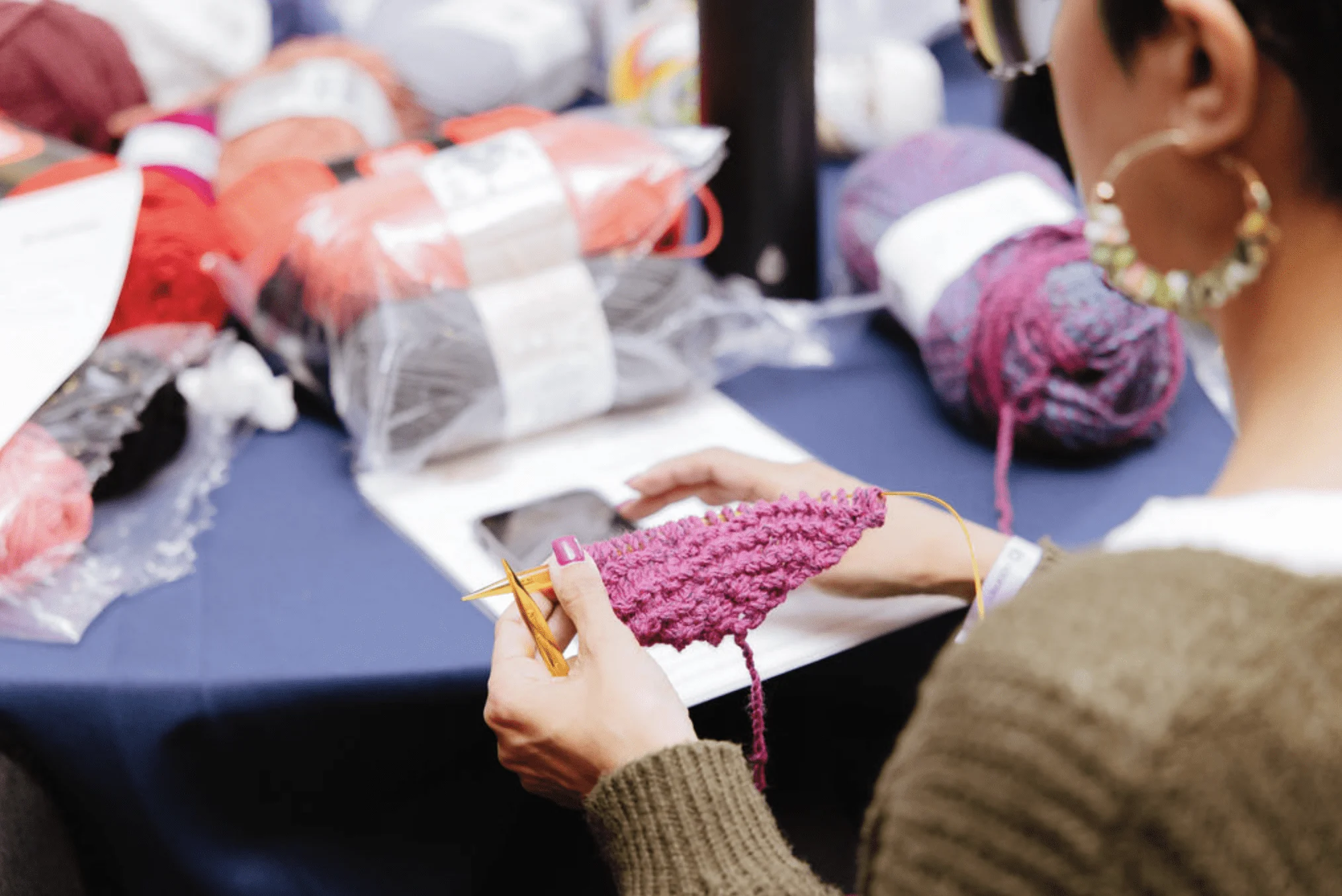
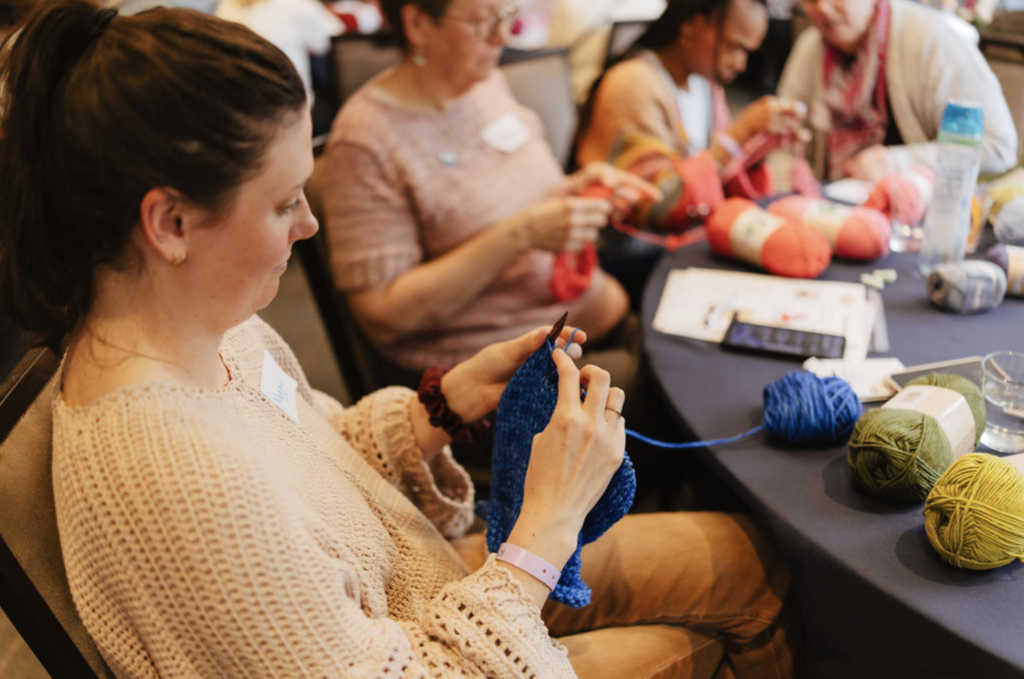
Pattern testers follow your pattern as written and document their experience. They note any errors in stitch counts, confusing instructions, missing information, or places where they got stuck. Some may photograph their work-in-progress to show you if something doesn’t look right. Pattern Testers track yarn usage, time investment, and any issues they run into.
Importantly, pattern testers keep the finished item. This is their compensation for the time spent testing and providing detailed feedback. They’re investing hours into your pattern (often including unraveling and re-working sections when they find errors), and the finished project is their payment.
Pattern testers aren’t just looking for typos. They’re evaluating whether your pattern makes sense, whether a knitter or crocheter at your stated skill level can successfully complete it, and whether the finished object matches your description and photos.
When You Need Test Crocheters/Knitters
If you are not paying a tech editor, then you need pattern testers for every pattern before publication. Period. No matter how carefully you’ve written your instructions or how many times you’ve knit the sample yourself, fresh eyes will catch things you’ve missed.
Pattern testers are essential when:
- Publishing any new pattern (this should be standard practice)
- Offering multiple sizes (you need testers working different sizes)
- Using complex construction methods or unusual techniques
- Creating your first patterns in a new category (your first garment, your first colorwork)
- Revising older patterns to update instructions or fix known issues
Working with Pattern Testers
The testing process process typically works like this: You recruit testers (often through social media, Ravelry groups, or your email list), provide them with the pattern and timeline, and they work through it while documenting their experience. They submit feedback forms noting any errors, confusions, or suggestions. You revise based on their input, and they keep their finished items.
Some designers provide yarn to testers, others require testers to purchase their own yarn. There’s no single “right” way, but be clear about expectations upfront. If you’re providing yarn, that’s additional compensation beyond the finished item.
Pattern testers should represent your target audience. If your pattern is labeled “beginner-friendly,” you need beginner testers who’ll tell you if something’s confusing. If it’s an advanced technique showcase, experienced testers can better evaluate your instructions.
Jessica of Snickerdoodle Knits offers excellent insights into test knitting versus sample knitting that’s worth reading for deeper understanding of these distinct roles.
TLDR: Key Differences Between Sample Makers and Test Knitters/Crocheters
Let’s clarify the main distinctions:
Purpose
- Sample makers: Create finished products for photography and promotion
- Pattern testers: Find errors and provide feedback on pattern clarity
Pattern Stage
- Sample makers: Work from finalized, tested patterns
- Pattern testers: Work from draft patterns that haven’t been published
Compensation
- Sample makers: Paid (money, often plus yarn costs)
- Pattern testers: Keep the finished item (yarn is rarely provided)
What Happens to the Finished Item
- Sample makers: Return it to you
- Pattern testers: Keep it
Primary Deliverable
- Sample makers: A beautiful finished object
- Pattern testers: Detailed feedback and error reports
Timeline Pressure
- Sample makers: Often working to tight deadlines for photoshoots or events
- Pattern testers: Need adequate time to work carefully and document issues
Can Someone Be Both?
Occasionally, yes, but approach this carefully. You might work with someone who tests your pattern, and if their work is exceptionally beautiful, purchase the finished item from them to use for photography. But don’t confuse the roles or try to get both services in one arrangement.
Some designers make the mistake of expecting pattern testers to produce photography-quality samples. That’s not the agreement. Pattern testers are focused on finding errors, which sometimes means ripping back sections multiple times. Their finished items might show signs of this process and probably shouldn’t be your pattern cover photo.
Similarly, don’t expect your sample maker (who you’re paying for their skilled work) to also provide detailed editing feedback. That’s not what you hired them for.
For Makers: Is Sample Making or Pattern Testing Right for You?
If you’re a knitter or crocheter wondering whether to pursue sample making or pattern testing, here’s what you need to know about each path.
Becoming a Sample Maker
Sample making is a professional service that can become a legitimate income stream for skilled makers. You’re essentially being hired to produce finished objects to someone else’s specifications.
What Sample Making Requires
Sample makers need:
- Exceptional technical skills: Your tension must be consistent, your finishing professional, and your execution flawless
- Ability to follow patterns exactly: Sample makers don’t improvise or “make improvements.” You are expected to create exactly what the designer specified
- Reliable timeline management: Designers often have hard deadlines for photoshoots or events
- Professional communication: You’re running a business relationship
- Quality photography skills: You’ll need to show examples of your work to potential clients
- Organized record-keeping: Track hours, expenses, and project details
Getting Started as a Sample Maker
Build a portfolio of your best work photographed professionally. Join groups where designers look for sample makers (Ravelry has several, as do Facebook groups focused on pattern design). Network with designers whose work you admire. Follow them on social media, engage genuinely with their content, and let them know you’re available for sample making work.
Start with smaller projects to build your reputation, then gradually take on more complex work as you establish yourself. Be clear about your rates, timeline availability, and any techniques you specialize in or want to avoid.
What to Expect
Sample making is paid work, but rates vary widely. Some sample makers charge $15-25 per hour, others charge per project.
Expect to sign contracts or agreements outlining timeline, payment terms, and what happens if something goes wrong (illness, yarn availability issues, etc.). Professional designers treat this as a business arrangement because it is one.
The relationship is more formal than test making. You’re providing a service, meeting deadlines, and delivering a specific product. But it can be incredibly rewarding to bring designers’ visions to life and build ongoing relationships with designers whose work you respect.
Becoming a Pattern Tester
Pattern testing is about contributing to pattern quality and being part of the design process. You’re helping ensure patterns work correctly before they reach customers.
What Pattern Testing Requires
Pattern testers need:
- Attention to detail: You’re looking for errors, not just making a pretty object
- Clear communication: You need to document issues effectively
- Representative skill level: Test the types of patterns appropriate for your experience
- Patience with the process: You might need to rip back and re-work sections
- Reliable timeline management: Designers need feedback by specific dates
- Honest feedback: Speak up about confusions even if you figured them out
- Organization: Track your notes, measurements, and time as you work
Getting Started as a Pattern Tester
Follow designers you admire on social media and Ravelry. Many designers post calls for testers publicly. Join test-knitting and test-crocheting groups on Ravelry and Facebook where designers recruit testers.
Start with patterns matching your skill level. Don’t jump into advanced colorwork testing if you’ve never done colorwork. As you build experience and relationships with designers, you’ll get invited to test more complex patterns.
What to Expect
Pattern testing is not paid work in the traditional sense. Your compensation is keeping the finished item, you get a first look at a pattern, and it’s a way to support a designer you enjoy. Some designers also provide yarn, but many don’t. Be clear on these terms before committing.
You’ll typically receive the pattern with a deadline (often a few weeks, sometimes longer for complex garments). You’ll work through it, noting any issues on a feedback form the designer provides. You might be asked to provide work-in-progress photos or measurements to verify sizing.
If you see something, say something. Your job is to catch errors that a paying customer may run into later on. The minute you see an error reach out to the designer and share your concern. Chances are the designer is working with multiple pattern testers. If you wait until the project is done to report the issue it could cause a domino effect for all other pattern testers. Make sure to speak up in real time.
The relationship is more collaborative than sample making. You’re helping the designer improve their pattern, which benefits the entire maker community who’ll eventually purchase it.
Building Your Team
As a pattern designer, you’ll likely need both sample makers and pattern testers at different points in your process. Understanding the distinction helps you build the right team and set appropriate expectations.
Recruiting Pattern Testers
Post calls for testers on Ravelry, Instagram, Facebook, and your email list. Be specific about what you’re looking for: skill level needed, timeline, whether you’re providing yarn, and what sizes you need tested.
Create a simple application form (Google Forms works great) asking about their experience level, which size they’ll make, and confirming they understand the timeline and expectations. Not everyone who applies will be a good fit, and that’s okay.
Communicate clearly throughout the process. Send the pattern with detailed instructions, be available to answer questions, and provide feedback forms that make documentation easy. Thank your testers publicly (with their permission) and maintain relationships with testers who do excellent work.
Finding Sample Makers
Look for makers with portfolios showing professional-quality work. Ask for references from other designers they’ve worked with. Discuss rates, timelines, and expectations thoroughly before committing.
Many designers build ongoing relationships with a few trusted sample makers they work with repeatedly. This creates efficiency since the makers understand your standards and communication style.
Making the Process Work
Whether you’re working with sample makers or pattern testers, success requires clear communication, realistic timelines, and mutual respect.
Designers Working with Sample Makers:
- Provide finalized patterns (not drafts that might change)
- Establish clear payment terms and timelines upfront
- Specify exactly what you need (size, colors, blocking, etc.)
- Remember they’re running a business. Respect their time and expertise
- Build long-term relationships with excellent sample makers
Designers Working with Pattern Testers:
- Recruit more testers than you think you need (some will drop out)
- Provide clear timelines and requirements
- Be responsive to questions during the testing period
- Actually use their feedback to improve your pattern
- Maintain relationships with reliable testers for future projects
Makers Considering Either Role:
- Understand which role you’re committing to
- Communicate clearly about timeline availability
- Ask questions if anything is unclear
- Deliver what you promised (finished item or detailed feedback)
- Be professional and reliable to build your reputation
The Technical Foundation
Both sample makers and pattern testers work more effectively when designers have strong technical foundations. Well-written patterns with proper grading, clear instructions, and appropriate skill level labeling make everyone’s job easier.
Want to improve your pattern writing and technical skills? Check out these resources:
- Technical Aspects of a Great Knitting Design: Swatching, Grading, Tech Editing, and More
- The Art of Crochet Tech Editing with Julie ACCROchet
- Stitch Tech: A Guide for New Designers
Get Your Process Right
Understanding the difference between sample makers and pattern testers is fundamental to creating quality patterns efficiently. Sample makers bring your vision to life for promotional purposes. Pattern testers ensure your pattern actually works before customers purchase it.
Both roles are valuable. Both deserve respect, clear communication, and appropriate compensation (whether monetary or through keeping the finished item). And both contribute to raising the overall quality of patterns in our community.
As you develop your pattern design practice, you’ll figure out which services you need when, how to recruit reliable makers, and how to build relationships that support your creative work. Start by being clear about what you need, communicating expectations transparently, and treating the makers you work with professionally.