

Knitting designer and teacher Xandy Peters is best known as the innovator of the stacked stitch technique and for the popular Fox Paws pattern. A former footwear and product designer, Xandy turned to knitting as a way to explore textiles and surfaces beyond factory production and has since built a thriving career publishing patterns and teaching workshops around the world.
In this article, Xandy shares practical, insider advice on how to pitch your designs with confidence and professionalism.
Have you created a unique and beautiful pattern that you believe is worthy of being featured in a knitting magazine or by a yarn company?
It’s time to craft a compelling pitch to grab the attention of editors and showcase your design. I’ve been a knitwear designer for 15 years, and before that, I worked as a freelance industrial designer. Over the years I’ve become practiced at the pitch, collaborating with many magazines and yarn brands to publish my designs. Here are some of my favorite tips to help you properly craft a design proposal.

Read the Brief
The first step in successfully pitching your design to a publication or yarn brand is to make sure that you understand the brief (the written statement of what they’re looking for at this time). Is there a submission call or a mood board that’s been provided for you? If so, this is your starting point. Any deviation from these requests will lessen your chances of success. There is always a chance your off-topic submission will be accepted, but it’s more likely the brand will assume that you didn’t take the time to read their brief.
Aside from yarn, color and style info, the design brief may also include information about specific submission requirements, such as the type of document expected, file size, limitations, and how many drawings or swatches need to be included. Brands may also ask you to only submit ideas that haven’t been pitched elsewhere or ask you to refrain from resubmitting rejected ideas to other brands for a certain period of time after the rejection.
In cases where there isn’t a specific brief and submissions are open to anything, you still have to do your homework. Take a look at previous patterns that have been published and make a note of what common threads you see. Maybe there’s a style or a target customer that tends to be favored. If you’re working with a yarn brand, only submit ideas that fit with their product. A wool company is not going to publish a linen t-shirt design, no matter how much they like it.
Develop Your Idea
Once you’ve established the general needs of the brand, you can start the process of sketching and swatching. Even if you’ve already got a sketchbook full of ideas, everything should be customized to fit the information that you’ve gathered. In my personal process, I don’t always start the same way.
Oftentimes I’ll have a sketchbook full of ideas and a box full of swatches ready to go, waiting for the right submission call. Other times, I will see a call for submissions and be inspired to pick up my needles and create something. A Pinterest mood board might spark ideas for styles that I hadn’t thought of before. There’s no wrong way to develop ideas, but keep in mind the brief should always be the foremost consideration.
Compile Your Submission
Regardless of what has been requested as part of the pitch, there is a right and wrong way to compile your submission. For new designers, this can be the most difficult part of the process, as it is not a step you would ever encounter when designing for personal projects. As a classically trained industrial designer, I had an advantage when entering the knitting industry because I learned how to pitch design ideas in school and at former jobs. During this stage, remember, the recipient only knows what you tell them. Anything that’s important must be included in either text or pictures.
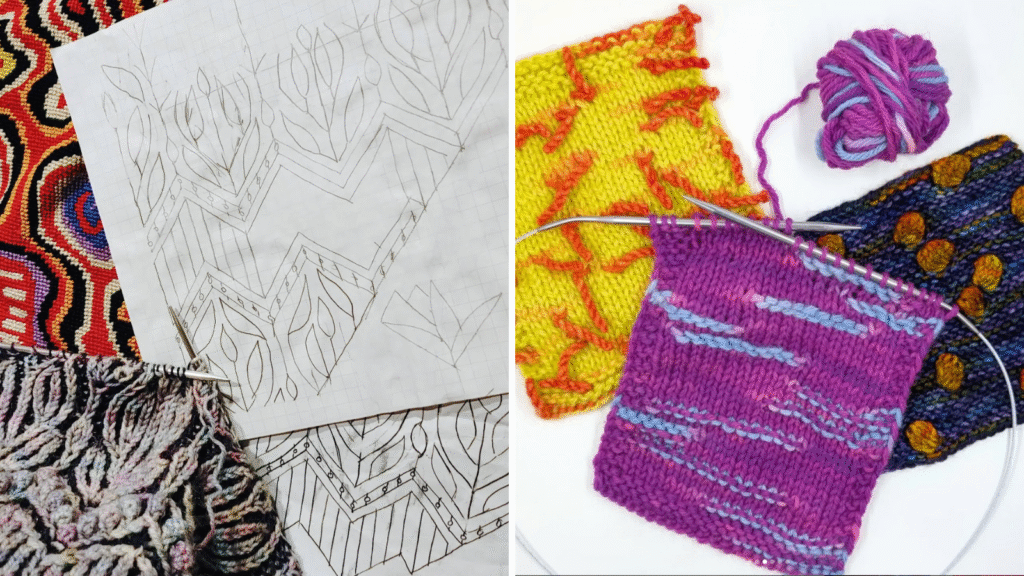
Here’s my checklist of items that I always include in a submission unless told to do otherwise:
Written Information
Introduce yourself and your idea as if the reader has no context or prior knowledge. Chances are they don’t, but even if you’ve already made a personal introduction, don’t expect that your contact is the only person reading the pitch. One or two sentences about yourself and a link to your Ravelry page or website is enough. If you don’t have any prior experience, it’s okay to say so. Maybe you’ve worked in fashion and haven’t made handcraft patterns before, that’s still relevant experience. If you’ve been stitching for a while and you design your own patterns but haven’t gone through the formal process of working as a designer, that’s relevant experience as well. The brand will decide whether or not they’re prepared to provide extra support and guidance. Many companies are always looking to find fresh, new contributors, so this can work to your advantage. If you exaggerate your abilities, it could be hard to meet expectations when the deliverables are due.
After you introduce yourself, spend the majority of your paragraph talking about your submission. The best way to pitch your design is to tell a story about who is going to enjoy this pattern—it’s an engaging way to provide insight to the brand as they read through your document. List any parts of the brief that stood out to you and always reiterate these original requests; it will let the reader know that you were paying attention to what they asked for.
Describe the important points of your design even if they seem obvious from your sketches and swatches. Even if you think you covered something later on in the submission, this is your chance to tell the brand why you made those decisions and what your intention is. For example, if you are making a boxy oversized sweater, don’t just say it has a lot of positive ease, say that you included positive ease in the design to take advantage of the beautiful drape of the yarn. Techniques and skills required to make the project should also be included in this introduction. If you’re willing to adjust certain aspects of your design but not others, now is the time to say so.
Be specific about what yarns you are and aren’t willing to use. If the yarn type or color are important, say so at this early stage, otherwise you could have a conflict later on that prevents the project from coming to fruition. Although this information should be the first thing people see when they open your submission, it can be more helpful to write this paragraph last. That way you can make sure everything you’ve included in the design is talked about, and nothing more or less.
Swatches
Include any swatches that are relevant to the project, but exclude swatches that are messy, unfinished or misleading. They must be properly blocked and photographed in bright natural light. Keep in mind that a scanner bed can flatten some textured stitches, so photographs are the best option. All texture and color work that you include in your pattern should be swatched, but that doesn’t mean they have to be presented in isolation. If I’m pitching a sweater with raglan shaping, I’ll include an example that shows the specific decreases that I intend to use and how they relate to the surrounding stitch pattern. When your swatches are finished, photographed and placed in the document, label them so the reader can tell what part of the design is represented.
Flat Illustration/Schematic
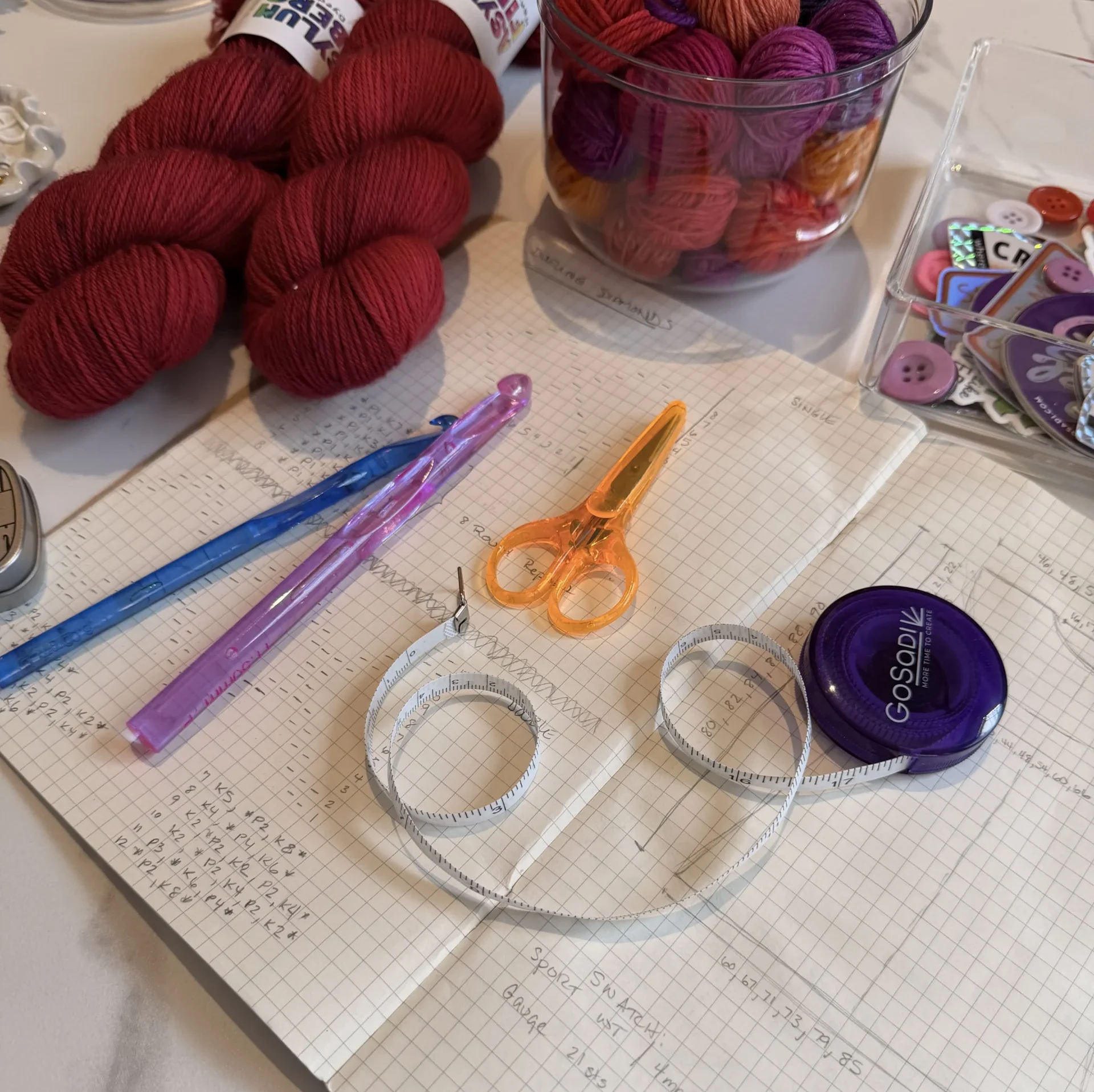
A well-labeled, flat illustration is arguably the most important part of any submission. This is not a drawing intended for artistic expression, it’s more like a blueprint. When you create this drawing, it’s important to work to scale. If I’m only creating one size, I’ll include actual dimensions, but for a graded garment, it’s better to label the dimensions with the amount of ease in each area and fit notes. Each feature should have a “call out” or a label describing what’s going on. Draw in texture on areas with specific stitch work and make sure they’re labeled clearly so the reader can see what stitch pattern your illustration is referencing.
Creative Illustration
Aside from the flat schematic, you should also always include a sketch of what the project will look like in context. Whether it’s on a body or in an environment, these illustrations are meant to help the reader envision the final result. It only needs to be good enough to communicate your point and show all of the fit and stylistic decisions you’ve made, so try not to get hung up on how well you can draw.
Not sure where to start? The best way to create this sort of fashion illustration is to trace a real person or use a fashion template, called a croquis, and then draw the garment on top of the figure. It’s never a bad idea to show a few views if you can.
Compiling the PDF
Once you’ve gathered all of those elements, it’s time to compile them into a single document. The most important part of your submission is your contact information. Make sure that your email address, mailing address, a link to your website and a copyright date is included on every page of the document. Don’t get too fancy with the graphic design, just make sure everything is legible and uncluttered. When possible, have a friend or colleague look over your submission, they can tell you if there are any unexplained design choices or spelling errors in the text. When exporting, check the size of the file. If there are a lot of images, consider exporting at 150 DPI in order to reduce the overall file size.
Then, send your pitch on its way!
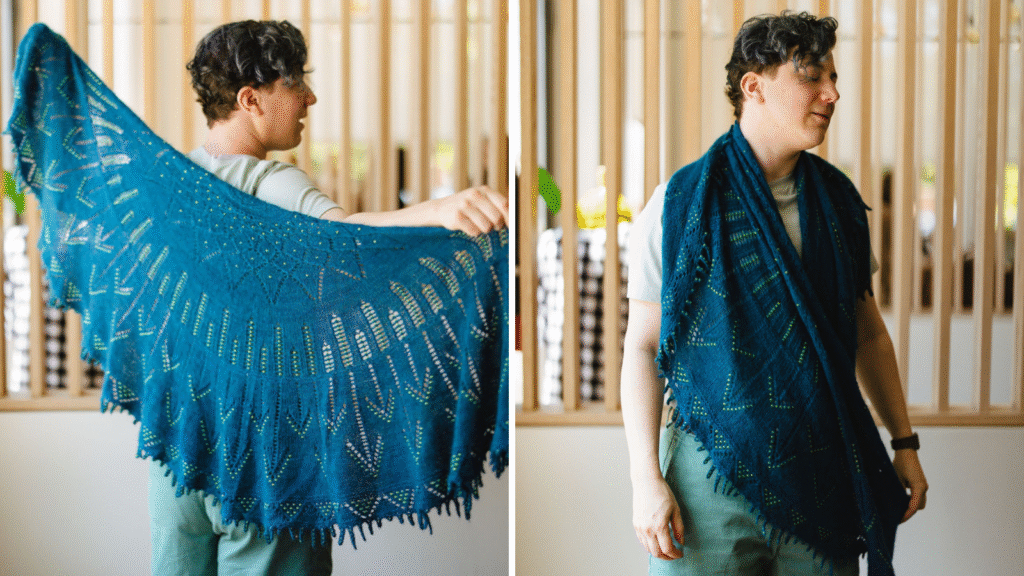
After You’ve Submitted Your Design
Prepare for rejection but brace for acceptance. If your idea is accepted, always be ready for the work to begin promptly. It may feel like rejection is the worst case scenario, but if you’re courteous and professional, it can still be the start of a good relationship. Rejection is a common part of the pitching process, even for experienced designers. Never assume that the decision is based on your skill. In most cases, decisions are made based on what submissions fit together in a collection or what fits best for the brand. If feedback is offered, take it to heart and improve your next pitch based on what you’ve learned.
By following these tips and crafting a well-thought-out pitch, you’ll be one step closer to seeing your pattern design featured by a prestigious brand, but it doesn’t end there. The more practiced you become at submitting your designs, the more likely you will get positive results. Good luck!
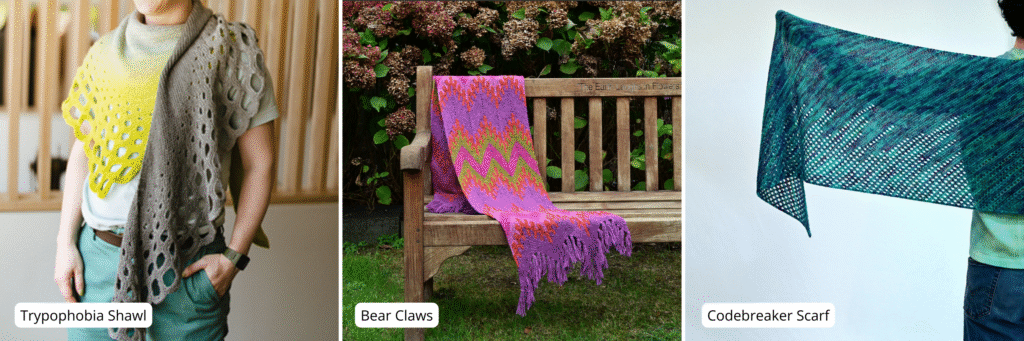
Curious about Xandy Peters’ designs? Explore some of his popular patterns: