

You’ve been making beautiful things for years, and your friends constantly ask if you sell them. You’ve wondered: could this actually become a business? Could your handmade hobby become your livelihood?
The answer is yes. But turning passion into profit requires more than talent. You need strategy. Understanding which platforms work for your craft, how to present your work compellingly, building a recognizable brand, and marketing strategically — these are the skills that separate hobby makers from business owners.
This guide walks you through the essential steps to launch and grow a profitable online craft business. You don’t need to do everything at once. You need a clear direction and the willingness to refine as you go.
Niche Down for Success
The biggest mistake craft business owners make is trying to appeal to everyone at once.
Niching down means focusing on a specific type of craft, a particular aesthetic, or a specific customer. This is what creates visibility and attracts returning customers.
When you niche down, several things happen at once: You become easier to find in search results because you’re using specific keywords. You attract customers who specifically want what you make rather than casual browsers. Most importantly, competing in “handmade (your niche)” is far more achievable than competing in the millions-deep “handmade” category.
For example, rather than “I make crochet items,” you might niche to “beginner-friendly amigurumi patterns” or “advanced Tunisian crochet patterns.” You could focus on one skill level, create size-inclusive clothing patterns, or specialize in quick projects.
Your niche doesn’t have to be tiny. It just needs to be clear enough that when someone searches for exactly what you make, they find you.
Research What’s Actually Selling
Before investing heavily in materials or marketing, research what’s actually selling in your niche right now.
Popular marketplaces like Etsy and Folksy provide valuable data through their search functionality. Look at top-selling products in your category. Most platforms show “number sold” information on product pages — this tells you what’s genuinely resonating with customers, not just what looks beautiful.
Pay attention to:
- Which product variations (colors, sizes, styles) have the highest sales
- What price points successful makers are using
- Which keywords appear in successful listings
- What photography and video styles attract clicks
- Which product descriptions are detailed and complete
This research isn’t about copying competitors. It’s about understanding the market you’re entering. If the most popular crochet amigurumi plushies in your target market are under $30 and you’re planning to price at $80, you need to know that. You’ll need a compelling reason for your higher price point — premium materials, custom work, charity components — communicated clearly to customers.
Similarly, if successful makers in your niche use 12+ product photos and yours has 4, you know where to invest next.
Master Brand Building and Craft Photography
Online craft sales succeed or flop by imagery. Your customer never sees, touches, or holds your work before purchasing. They only see what you present online. That visual presentation is everything — especially on platforms like Etsy where video is increasingly important.
Strong branding and high-quality photography work together to create trust and desire.
Build Consistent Branding:
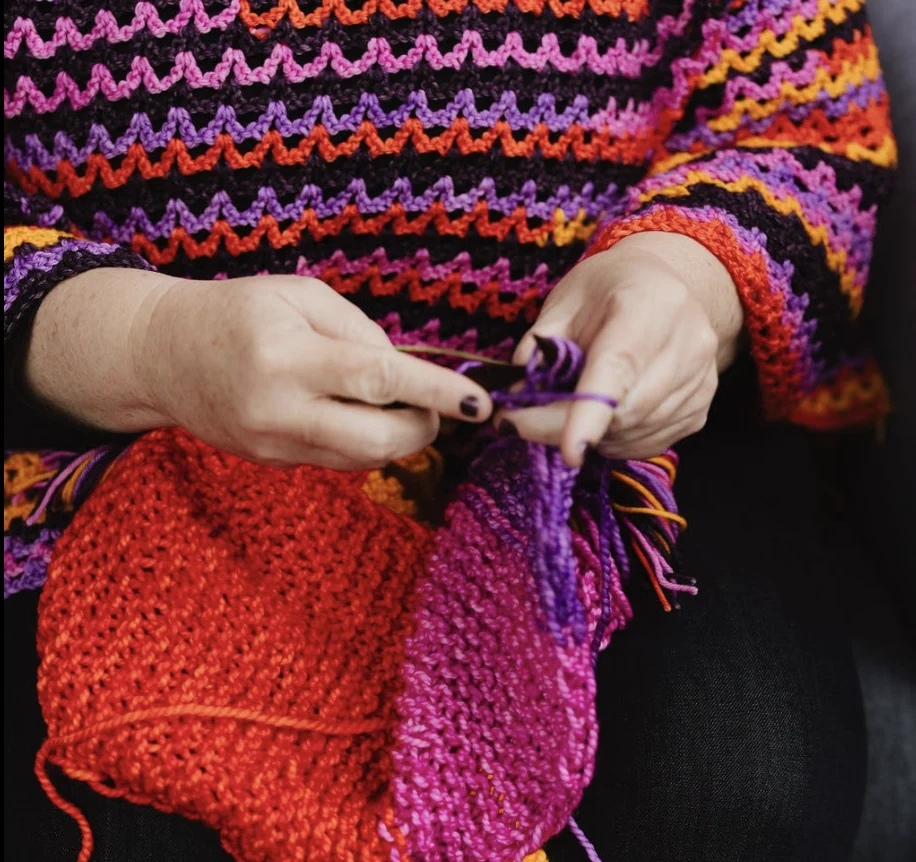
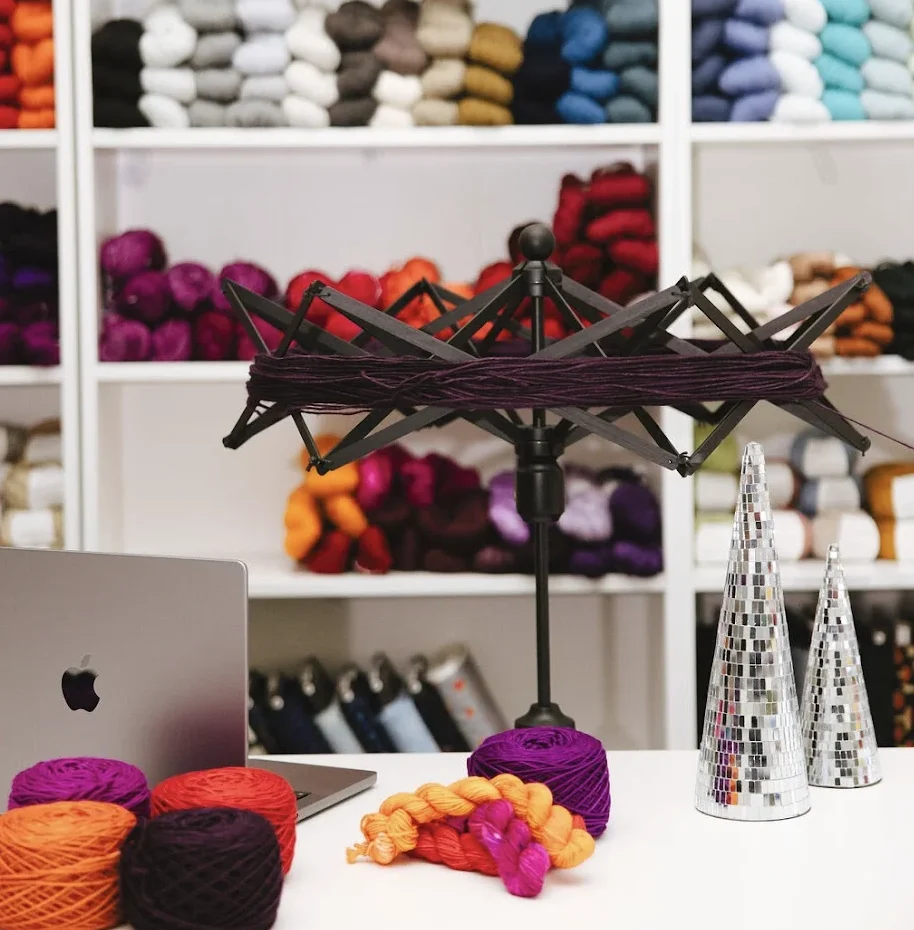
Choose 2-3 core colors for your visual presentation — product photography, social media, packaging, business cards. Consistency builds recognition. When someone sees your specific color palette, they think of you.
Develop a cohesive visual style. Are you minimalist and modern? Warm and cozy? Colorful and playful? Every photograph should reinforce that aesthetic. This doesn’t mean editing everything identically. It means your color palette, backgrounds, styling, and overall feel remain consistent.
Choose fonts and stick with them across headers, social media, and printed materials.
[Continue Learning: Crafting a Colorful Brand Identity]
Invest in Quality Photography:
Poor lighting can kill sales. Invest in learning photography hacks or hire a photographer. Natural window light or a simple lighting kit makes an enormous difference in how products appear.
Styling matters equally. Photograph your products being used, not just laid flat on white backgrounds. Show the sweater on someone. Show the blanket on a bed. Show home decor styled in a room. People don’t just buy products — they buy the lifestyle those products represent.
Keep backgrounds and staging consistent but intentional. You don’t need elaborate styling, just purposeful choices that don’t distract from the product.
Include multiple angles and close-up detail shots. Close-ups of texture and stitching communicate quality better than distant wide shots.
Add lifestyle photography alongside product shots. Someone considering a handmade clutch wants to see it held, used, styled. Lifestyle images sell more effectively than product images alone.
Continue Learning: Photography Tips For Designers
Maximize Profits With Holiday and Seasonal Trends
The craft business calendar doesn’t align with the regular calendar. Holiday shopping starts months before holidays. Seasonal trends follow predictable patterns each year.
Strategic planning around these moments significantly increases profitability.
Plan Ahead:
Valentine’s Day shopping accelerates in December. Mother’s Day shoppers arrive in March. Back-to-school peaks in July. Wedding shopping intensifies in January. Christmas shopping begins in August for many shoppers.
Start planning inventory and marketing for major holidays at least 3 months in advance. If you want Christmas shoppers, your holiday collection needs to be live by September.
Unsure when to start? Look at when craft markets begin promoting their fairs. Scroll back through a successful maker’s feed in your industry. When did they promote Halloween products last year? Back-to-school? Many established makers have been doing this for years — you don’t need to reinvent the wheel. Learn from their timing.
Create Holiday-Specific Collections:
Instead of simply marketing the same sweater in November and December, position it as “Perfect Christmas Gift” with holiday-specific photography, descriptions, and packaging. You’re not creating entirely new products. You’re repositioning existing work for the current moment.
Bundle products into themed gift guides rather than selling individually.
[Continue Learning: Holiday Insights For Stitchwear Creators]
Leverage Seasonal Keywords:
When Valentine’s Day approaches, people search “Valentine’s Day gifts,” “gifts for her,” “romantic gifts.” Your search visibility increases when your descriptions include these seasonal keywords or holiday tags on Etsy. You don’t need different products for each season — just seasonal descriptions and marketing that help customers find you at the right moment.
Stock Strategically:
Some crafters create inventory specifically for high-season selling and craft fairs, then reduce production during slower months. Others use slow seasons to create for upcoming market rushes. Understand your craft’s seasonality and plan production accordingly.
Taking Your Craft Business to the Next Level
Starting a profitable craft business is achievable. Scaling it requires attention to what works and willingness to refine constantly.
Pay attention to your sales data. Which products sell best? Which price points work? Which marketing channels bring customers? Double down on what’s working. Test new products cautiously. Amplify marketing strategies that convert.
Build systems so you’re not managing everything manually. Use tools that automate social media scheduling and email marketing. The less time you spend on administrative tasks, the more time you have for creating.
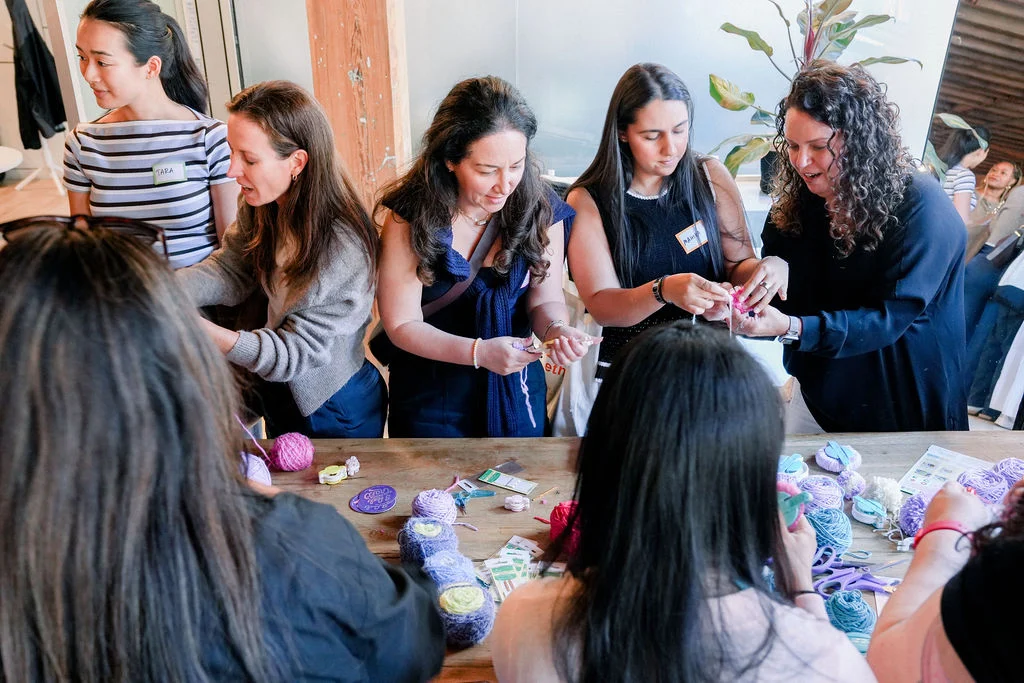
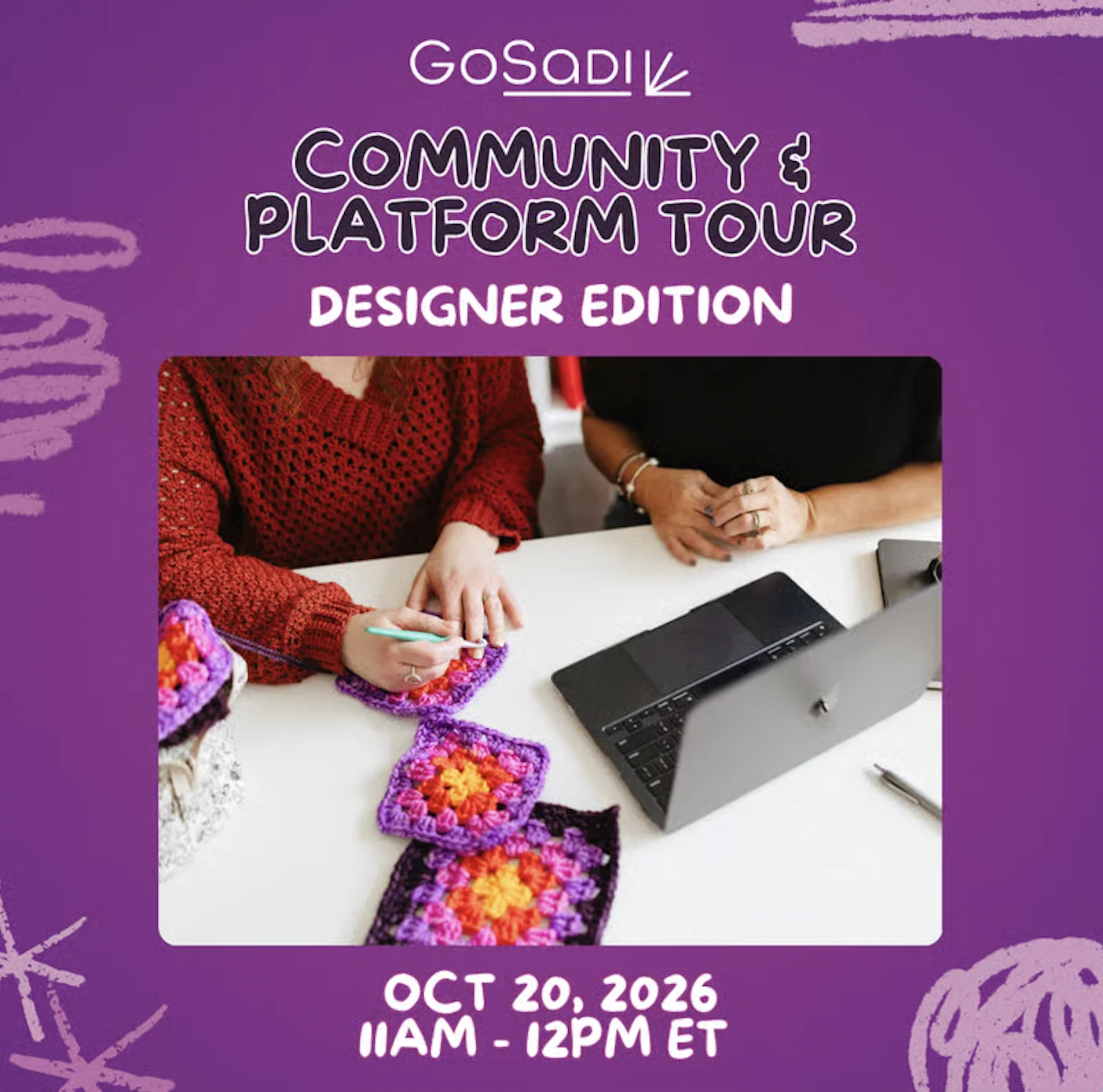
Connect with other makers. The craft community is remarkably generous. You’ll learn more from fellow makers than from business theory. Join communities, like the GoSadi Discord community which is available to GoSadi designers, ask questions, share what you’re learning.
Remember this: profitable craft businesses aren’t get-rich-quick ventures. There will be months when you question this choice. What sustains you is loving your craft. Your passion is your competitive advantage in a market full of mass-produced alternatives.
Build Your Profitable Craft Business
You have the skills. You make beautiful things people want. What you need now is strategy — understanding your market, presenting your work compellingly, building a recognizable brand, and marketing strategically.
For digital product creators, GoSadi helps you implement these strategies across multiple selling channels. Whether you’re selling on Etsy, Ravelry, your own website, or through WooCommerce, GoSadi centralizes your business so you can focus on what matters: creating and connecting with the makers who love your work.
Ready to turn your craft into a thriving business? Get started with GoSadi and bring your vision to life.