

Pricing your knitting patterns is both an art and a science. It’s one of the most important decisions you’ll make as a designer—because it affects not just your income, but also how knitters perceive the value of your work. Set your price too low, and you risk underselling your expertise. Set it too high, and you might miss out on connecting with newer knitters or competing fairly within the market.
A thoughtful pricing strategy strikes a balance: earning you a fair profit while keeping your designs accessible and competitive.
This is part of our ongoing series on how to sell knitting patterns online, and in this post, we’ll explore how to approach pricing with confidence and strategy.
4 Pricing Strategies for Knitting Patterns
Think of it this way: how products at your farmer’s market are priced will differ greatly from how products at a luxury store are priced. Similarly, pricing strategies for different pattern brands/companies will vary greatly as well. The right approach may depend on your goals, your audience, and how established you are as a designer. Here are four common methods.
Cost-Plus Pricing
This straightforward method starts by calculating your costs (including time, materials, and editing) and then adding a markup to ensure profit. It’s practical for designers who like clear, consistent logic behind their pricing.
For example, if you estimate your total cost at $500 for a design and expect to sell 200 copies over its lifetime, you might price the pattern around $6–8 to cover your investment and earn a reasonable return.
Value-Based Pricing
This approach looks beyond the cost of production and focuses on what your pattern is worth to the customer. If your patterns are known for impeccable fit, inclusive sizing, or expert tutorials, your perceived value is higher—and your price can reflect that.
See—for example—knitting teacher and designer Patty Lyons, whose sweater patterns often come as a part of a class, with tutorials, tons of fit options, and detailed instructions. She prices those pattern classes as a product, rather than competing against patterns that don’t have classes or other advanced instruction.
Competitive Pricing
Competitive pricing means researching what similar designers charge and pricing within that range. Most digital knitting patterns fall between $5–10, though collections or premium garment designs may go higher.
Aligning your price with market norms helps knitters feel confident about purchasing while ensuring you remain part of the professional tier of designers.
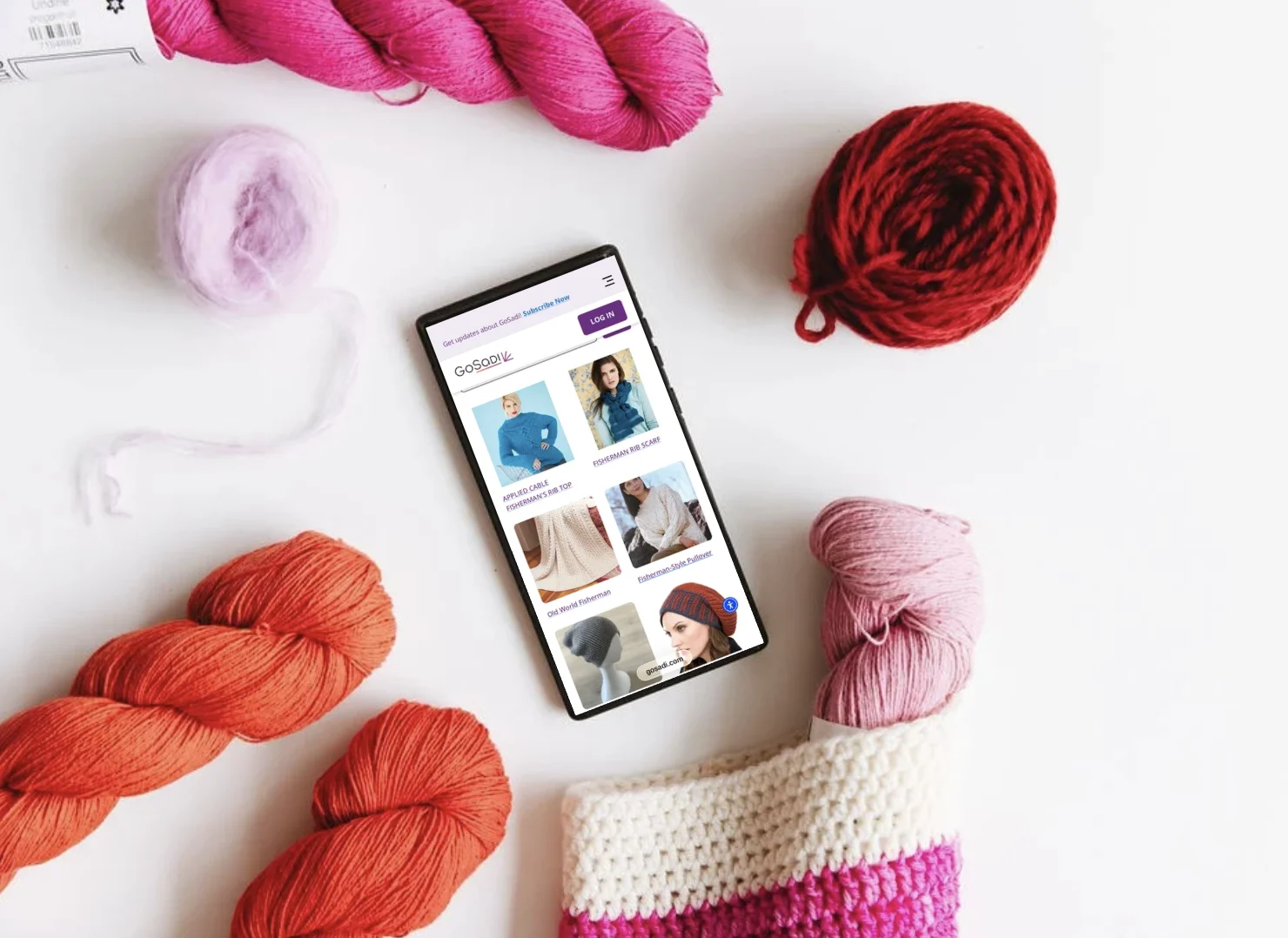
Explore the GoSadi library for examples of current patterns and their pricing.
“Pay What Works” Pricing
Some designers experiment with flexible pricing models where customers choose their own price within a set range—for example, $6–$12. This approach, which may be a limited time offer or tied to specific situations (think about the show of goodwill for essential workers during the pandemic lockdowns) or even used to raise money for charity, gives knitters agency while allowing you to maintain a base level of fairness and accessibility.
It can also build goodwill and trust with your community.
Other Factors to Consider When Pricing Knitting Patterns
When it comes to setting a price, there’s no universal formula—but in addition to the above, you will want to consider
Complexity and Skill Level
A beginner-friendly hat knit in simple stitches takes a different amount of time and expertise to develop than a complex lace shawl or colorwork sweater with custom charting and multiple size options. Your price should reflect that difference. More intricate or technically demanding designs deserve a higher price point.
Pro tip: Be sure that the complexity and the resources (such as charting and/or tutorials) are part of the storytelling that you’re doing about why your pattern is worth the price. Some knitting designers/teachers use patterns as the basis for classes or knit-alongs to increase the perceived value of the patterns.
Your (Team’s) Time Invested
Designing a knitting pattern involves much more than knitting. There’s the design concept, swatching, writing, testing, tech editing, photography, and formatting. If you track your time honestly, you might be surprised at how many hours go into a single pattern. Even if you can’t charge for every minute, your pricing should acknowledge the professional effort behind your work.
Pro tip: Give your audience a behind-the-scenes of the effort that goes into the work. Showcase photos from your test knitters. Talk about tips from your tech editor. Or even show photos from your photoshoots. Your audience will trust you more and value the contents more, when they see it is high quality.
Cost of Materials
While you’re not selling the yarn itself, your material costs still matter—especially if you provide detailed yarn suggestions or offer kits. Yarn purchases for samples, photography props, and even model fees are legitimate business expenses. Factoring these into your pricing helps ensure you’re not losing money on the backend.
Pro tip: Working with brands to offer discounts to your customers (with an affiliate code or link) or kits with your pattern can help you monetize your patterns in new ways.
Uniqueness and Desirability
If your pattern offers something truly distinctive—an innovative construction, an in-demand aesthetic, or a clever technique—it can command a higher price. Think of pricing as part of your brand positioning: your price communicates the value and quality of your work before a knitter even reads the description.
Pro tip: Be sure to make the most of your unique design! Showcase it in different colors, show it in different sizes (particularly with sweaters) or show how knitters are using it in different settings.
Testing and Adjusting Your Prices
Pricing isn’t something you set once and forget. As your brand grows and your skills evolve, your pricing should evolve too. Monitor your sales: if your patterns sell out quickly or consistently receive praise for quality, that may be a signal to increase your prices slightly. Conversely, if sales slow down after a price change, consider whether your listings, images, or descriptions are clearly communicating the pattern’s value.
It’s also worth experimenting with seasonal promotions or bundle discounts to gauge interest without permanently lowering your prices. Over time, data from your sales will give you insight into what knitters are comfortable paying—and what they value most about your work.
Pricing with Confidence
Pricing your knitting patterns doesn’t have to feel intimidating. By considering your time, materials, expertise, and audience, you can create a structure that honors both your craft and your business.
The right price helps knitters appreciate your work for what it is: a creative product built from skill, care, and years of experience. Start where you are, make adjustments as you learn, and trust your instincts.
Once your pricing feels right, it’s time to make sure your patterns are easy to find and buy. Be sure to check out our article on choosing the right platform to sell your patterns for more tips and tricks.