

So, you’ve designed beautiful crochet patterns and you’re ready to start selling. But with so many platforms available, where should you actually list your work? The truth is, most successful pattern designers don’t rely on just one platform. They use a strategic combination that balances audience reach, profit margins, and time investment.
Choosing where to sell your crochet patterns is one of the most important business decisions you’ll make as a designer. The right platform can connect you with eager customers and help you build sustainable income. Let’s explore the top options for selling crochet patterns online and how to decide which platforms deserve your energy.
Best Places to Sell Crochet Patterns Online
GoSadi
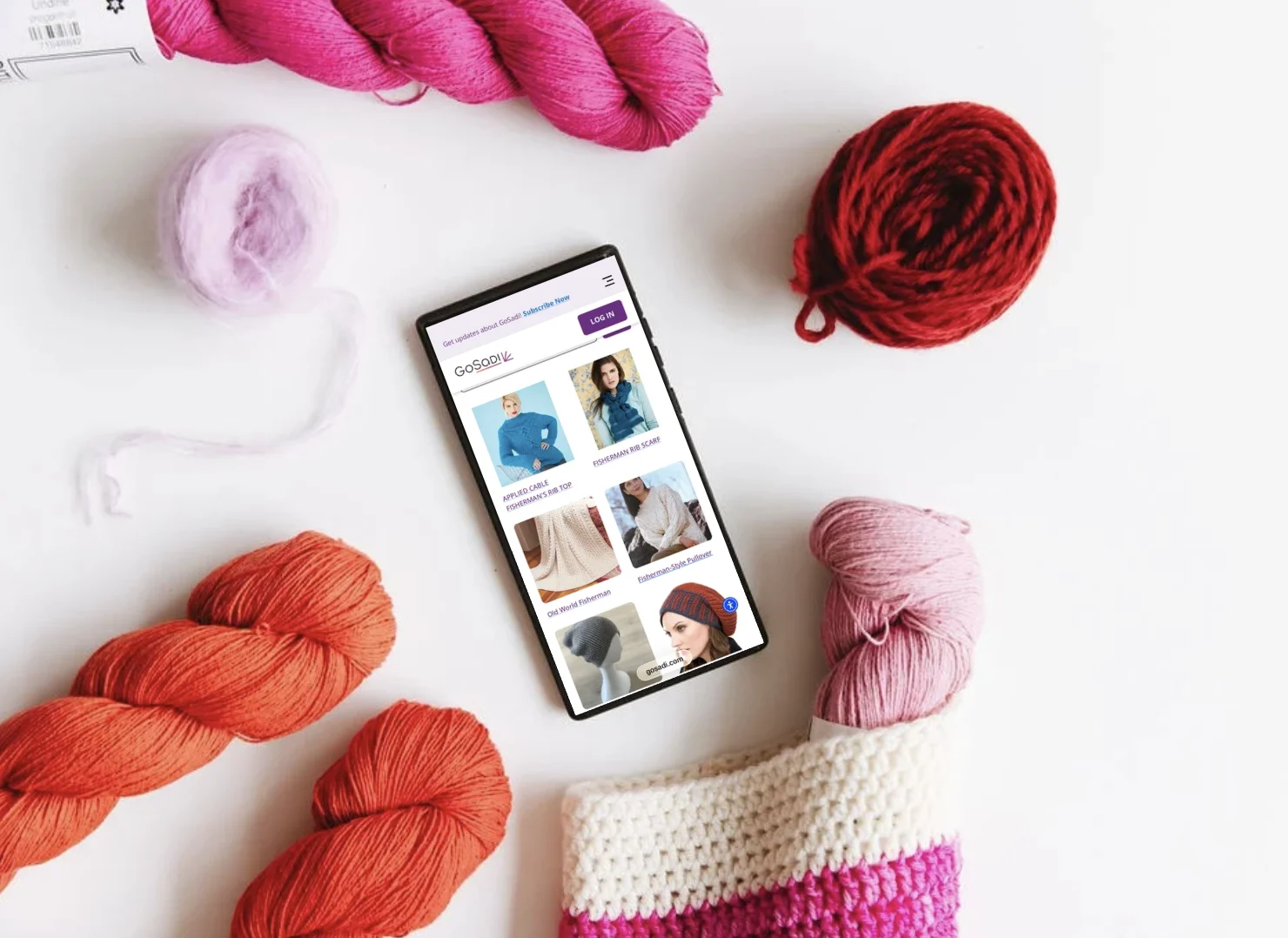
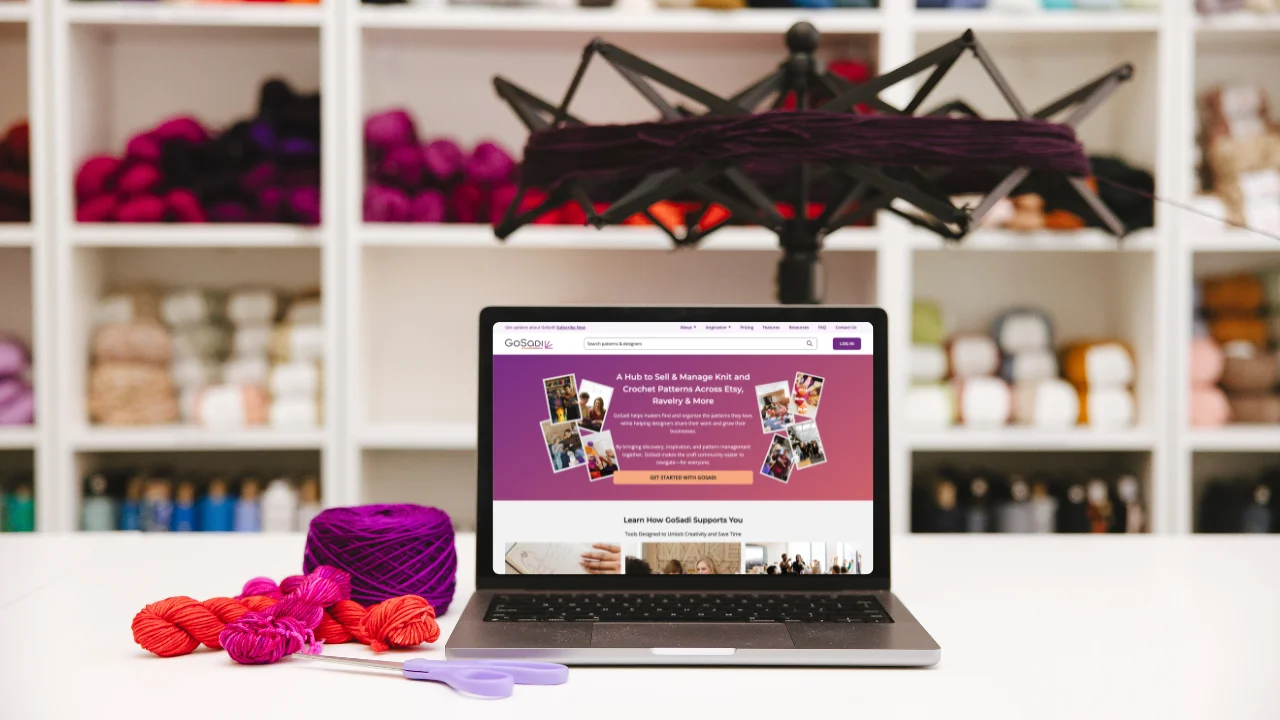
In addition to allowing you to be discovered through your Designer Landing Pages and search engines, GoSadi pushes your content to the other selling channels discussed in this article, currently: Etsy, Ravelry, and your own website, with plans to expand.
What Makes GoSadi Different
The platform’s Designer Landing Pages (DLPs) solve a problem that’s plagued pattern designers for years: customers want to buy from different places. Some prefer Etsy’s familiar checkout, others love Ravelry’s pattern library, and many want to support designers directly through their websites. Instead of forcing customers into one channel, your GoSadi DLP links to everywhere you sell that pattern.
This means makers can choose their preferred shopping experience while you maintain a professional, unified presence. You’re not limiting your audience, you’re expanding it by meeting customers where they’re comfortable.
Time Back in Your Day
GoSadi automates the tedious work of updating pattern information across multiple platforms. When you need to change a price, update a description, or add a new photo, you update it once in GoSadi instead of logging into four different sites. For designers managing catalogs of 20, 50, or 100+ patterns across multiple channels, this saves hours every week.
The platform handles pattern catalog management, synchronization across selling channels, and maintains your professional digital presence. This frees you to focus on designing, marketing, and building relationships with your customers instead of wrestling with spreadsheets and remembering which platform still has the old pattern title.
GoSadi was created by people who understand the pattern business because they’ve lived it.
What to Consider
GoSadi does not handle payment processing and pattern sales. GoSadi’s goal is not to replace your use of selling channels like Etsy and Ravelry but rather to help you streamline the process of using them.
Apply to become a GoSadi Designer today!
Don’t Just Take Our Word For It
See what other designers are saying about GoSadi: Crochetpreneur’s review of GoSadi software.
Best For: Designers who sell on multiple platforms and want to reclaim their time while giving customers flexibility. Particularly valuable for established designers with growing pattern catalogs who are tired of the administrative burden of multi-platform selling.
Etsy
Etsy brings millions of shoppers actively searching for handmade and digital goods, including kit and crochet patterns. It’s often where new designers get their first sales, and for good reason!
The Etsy Advantage
Etsy’s strength is its massive audience of buyers who arrive already looking to purchase. You don’t need an existing following to make your first sale. The marketplace traffic does some of the heavy lifting. Setting up a shop takes an afternoon, and the platform handles payment processing, digital file delivery, and basic customer service infrastructure.
The search and discovery features can surface your patterns to customers browsing related categories. When optimized properly, your listings can appear in searches for specific techniques, yarn weights, or project types. This built-in discoverability is incredibly valuable, especially when you’re just starting out.
The Trade-Offs
Etsy’s fees have climbed steadily over the years. You’ll pay a listing fee, a transaction fee (around 6.5% as of 2025), a payment processing fee (roughly 3% + $0.25), and potentially offsite advertising fees if Etsy’s ads bring you a sale. These costs compound quickly, especially on lower-priced patterns.
Competition is intense. Thousands of pattern designers compete for visibility, and Etsy’s algorithm changes frequently, sometimes impacting traffic for shops that were doing well. You’re building your business on a platform you don’t control, where rule changes can happen without warning.
Standing out requires strong photography, SEO knowledge, and often paid advertising. Many designers find themselves investing in promoted listings just to stay visible.
Next Steps for Etsy
Learn more about optimizing your Etsy presence: Navigating Etsy’s Optimized Pricing Tool
Best For: New designers who need immediate access to buyers and don’t yet have a built in audience. Also works as one channel within a multi-platform strategy.
Ravelry
Ravelry is the yarn community’s home base. While the platform hasn’t changed much visually over the years, it remains essential for serious pattern designers.
Why Ravelry Matters
Ravelry charges zero listing fees. You pay only payment processing fees (around 2.9% + $0.30), making it the most profitable platform per sale. This alone makes it worth maintaining a presence!
The real magic happens through community engagement. When makers finish your pattern and upload project photos, those projects become organic marketing. Other users discover your patterns through project pages, favorites lists, and pattern queues. This word-of-mouth discovery is powerful and happens naturally within Ravelry’s social structure.
The platform’s search and filtering system is remarkably detailed. Makers can search by pattern category, rating, difficulty levels, and dozens of other attributes. If your pattern listings are thorough and accurate, the right customers can find you through Ravelry search.
The Ravelry Reality
Ravelry is a forum-based platform that relies on detailed filters and search criteria for pattern discovery. While this creates a highly functional database for makers who know exactly what they’re looking for, younger crafters increasingly prefer algorithm-driven platforms like Instagram and TikTok for pattern discovery before heading to Ravelry to purchase.
Building momentum takes time. Without existing projects and reviews, new designers can struggle to get noticed. You’ll need to actively promote your Ravelry shop through other channels and engage with the community through forums and groups.
Getting Started
Ready to set up your Ravelry shop? Read our guide: Get Started Selling on Ravelry
Best For: Every serious crochet pattern designer. The zero-commission structure and engaged community make Ravelry essential. Use it alongside other platforms rather than as your only presence.
If you prefer not to use the Ravelry interface directly, you can always use GoSadi to push your patterns to Ravelry without having to log in to the Ravelry platform.
Your Own Website

Selling directly from your website gives you complete control and the highest profit margins…but it also requires the most effort upfront.
The Website Advantage
You keep nearly all of each sale, paying only payment processing fees. More importantly, you own the customer relationship. When someone buys from your site, you have their email address and can market to them directly for future releases without algorithm interference or platform fees.
You control everything: your brand presentation, pricing strategy, promotional calendar, and business model. Want to offer pattern bundles? Monthly memberships? Exclusive early access? You can experiment with any structure that serves your business goals.
The Website Challenge
Building and maintaining a website requires either coding skills or investment in platforms like Shopify, Squarespace, or WordPress with WooCommerce. Monthly fees, domain costs, and potentially development expenses add up before you make a single sale.
You’re responsible for driving all traffic through content marketing, social media, email campaigns, or paid advertising. There’s no marketplace discovery to help new customers find you. You’ll also handle all customer service, technical issues, and file delivery systems.
Best For: Established designers with existing audiences and marketing systems.
GoSadi allows you to position the link for your website as the first link option on a pattern listing. Putting your most profitable option first for your customers.
LoveCrafts

LoveCrafts positions itself as a curated destination where yarn and patterns meet.
The LoveCrafts Model
The platform handles customer service, payment processing, and international sales tax compliance. Your patterns gain exposure to shoppers already browsing yarn and project supplies, potentially catching impulse purchases. LoveCrafts maintains a polished, professional appearance that can lend credibility to newer designers.
The Commission Reality
LoveCrafts offers free pattern listings, which is great news! The platform charges a payment transaction fee on all sales, plus a seller fee of 25% per pattern when your monthly sales are between £30/€35/$40 and £1,500/€1,800/$1,900. Once you exceed that upper threshold, the seller fee stops.
The fees are automatically deducted from your sales total before payment, and you’re paid monthly in arrears on the 25th (or next working day) directly to your PayPal account. LoveCrafts handles all sales tax compliance for international sales, which removes that administrative burden.
Some designers appreciate the hands-off approach to sales tax and customer service, while others prefer more control over their pricing strategy.
Best For: Designers willing to trade significant profit margins for reduced administrative work, international market access, and a built in audience.
Get Your Crochet Patterns Seen
The question isn’t really “where should I sell crochet patterns” it’s “how can I sell effectively across multiple platforms without losing my mind and time?”
TLDR: Here’s a quick recap of the key platforms:
GoSadi – Centralizes your catalog and links all your selling channels through Designer Landing Pages, saving you hours of administrative time.
Ravelry – Zero commission and engaged community make it essential for every pattern designer.
Etsy – Marketplace traffic helps new designers get started, though fees require strategic consideration.
Your Website – Maximum profit margins and customer ownership, ideal for established designers.
LoveCrafts – Strong international community of makers and an esthetically pleasing layout.
The challenge has always been managing the administrative burden of keeping everything updated and synchronized.
This is where understanding the difference between marketplaces and platforms becomes crucial.
Read more: Marketplaces vs Platforms: Which Is Right for Your Business?
GoSadi solves the multi-platform puzzle by centralizing your catalog while linking to all your selling channels. Instead of choosing between platforms, you can offer them all through your Designer Landing Page. Customers get the buying flexibility they want, and you get hours back in your week.
The platform doesn’t replace your selling channels. It makes managing multiple channels sustainable. You can maintain profitable Ravelry sales, capture Etsy’s marketplace traffic, and build your website’s direct customer relationships, all without tripling your administrative workload.
The best part? You don’t have to do everything at once. Start with one or two platforms and expand as your business grows. Experiment with different strategies and find what works best for you and your audience.
Additional Resources:
Ready to expand your pattern business beyond just one platform? Whether you’re just getting started or ready to streamline your existing multi-channel approach, the right combination of platforms can transform your pattern design business from a side hustle into sustainable income.