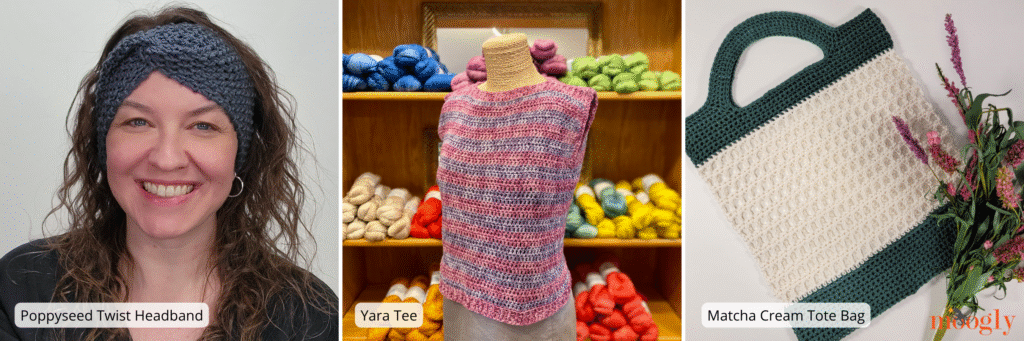


Designer and crochet instructor Tamara Kelly is the creator of Moogly Blog, the author of Quick Crochet for the Home, and a leading industry expert.
We’ve invited Tamara to share the lessons she’s learned from building Moogly into a go-to destination for crafters. With a highly engaged email list and years of experience connecting with her audience, Tamara joins us to share her top tips for email marketing success—what works, what’s changed, and how to build lasting engagement.
Take it away, Tamara…
As publishers, bloggers, and designers, getting attention is our number one challenge—and our primary goal. To that end, one of the most valuable moves you can make is building a direct connection and fostering a sense of community with your audience through email.
Why email? The rules for social media can change on a whim, and you can lose an entire channel overnight. On the other hand, your email list belongs to you and is yours to nurture, grow, and benefit from. Therefore, it’s important to focus on building your list, growing your community, and keeping your people actively engaged.
Building Your Email List
Step 1: Understand Your Ideal Audience
Ask yourself the following questions:
- Who is my ideal audience? What problems do they have? What kind of content or information are they looking for? What gets them excited when you post elsewhere?
- Are there questions you regularly get asked? Are they looking for a place to show off their projects? Do you have upcoming events or blog posts that people are missing out on?
Before you create, take the time to think about and start defining your ideal audience. The more you understand your targets and goals, the more effective your newsletter will be.
Of course, things are always changing—as you grow your list, ask for feedback. You can poll your newsletter subscribers, as well as those who follow you on other platforms. Your email subscriber list will change as it grows, and so will their needs and desires in an email newsletter.
Step 2: Create Enticing Lead Magnets
Lead magnets are incentives or little “bonuses” people can get for signing up for your list! In order for them to work well, they need to be relevant and valuable to your readers.
Things like checklists, special deals or discount codes, exclusive patterns, and cheat sheets are a great opportunity to draw in those who are interested in your content! It doesn’t have to be expensive for you to be valuable to them.
Remember, you want sign-ups from people who will want to see more later.
These lead magnets are the first “introduction” to your email newsletter list that your audience will get—make sure you make a good impression, and make it worth their time.
Step 3: Make Sign Ups Easy—and Everywhere
How far out of your way do you like to go when signing up for someone’s email newsletter? You have to make this part as easy as humanly possible. If they can’t sign up quickly and easily, they just won’t do it.
So the solution is to put the signup form or link everywhere you can! Use pop-ups, sticky bars, or embedded forms. Promote it in blog posts, in classes, and give it a permanent spot on your home page. Mention it in your lives, and share the sign-up link on your social media. And of course, that includes your GoSadi Designer Landing Page!
Almost as important— keep it short. You don’t need much beyond their email address and name. Again, think about all the surveys and forms you quit when they got too long. Make it fast and easy!
Step 4: Use Double Opt-In and Segmentation
Double opt-in means that your reader has to confirm their email when subscribing. While we all want as many subscribers as possible, we want them there willingly—and not hitting the Spam button! A healthy, high-quality list starts with double opt-in.
Once you’ve built up your list and you’re ready to go further, consider Segmentation! This allows you to create smaller, specialized email groups. For instance, if you blog about both crochet and knitting, you could have separate email lists for each. Or maybe you have a VIP group that gets special deals? Customizing the content by segment can allow you to continue to grow your list in new ways!
Growing Your Community

Many people think of email and newsletters as impersonal—and we can all suffer from inbox overwhelm. So if you want to build a community through email, you need to make it an ongoing focus.
Step 1: Be Consistent and Authentic
Your readers are signing up to hear from YOU. Let your voice come through in your writing for your newsletter, just as it does elsewhere online. The newsletter is an opportunity to talk to your most devoted followers. They know your voice, and will hear when you are being authentic with them.
And do it consistently. Some people send newsletters every day, some once a week, some once a month. Some have Segmentation offering all these options! But people like to know what to expect, and when to expect it. Make your newsletter an opportunity for your audience to “see” you on a regular basis.
Step 2: Encourage Interaction
Don’t just talk at people—interact. Ask questions, run polls, invite feedback, highlight reader-generated content, and respond when they email you back.
You need to solicit and encourage it—tell people you want to hear from them! Give your readers an opportunity to reach out to you with ideas and comments. Start a conversation. Engagement grows when people feel heard.
Step 3: Foster a Sense of Belonging
A newsletter can be a simple email, or it can be an introduction to a whole community. You want to invite your readers in, and welcome them warmly.
Onboarding emails help guide your new readers, and set them up to be long-time community members. Sending a special series of welcome emails to new subscribers will let them feel all “caught up” and part of the group. This is a great chance to show them what to expect, and what else they can expect to see from you.
The more people feel seen and appreciated, the more likely they are to stick around and contribute.
Keeping People Engaged Long-Term
Step 1: Deliver Consistent, Valuable Emails
The email inbox can be a tough place, with lots of competition for your reader’s time. If they know what to expect from you and when to expect it, that will go a long way.
Set a realistic schedule that works for you, and stick to it. You need to consistently deliver value to keep your readers. But that doesn’t mean you need to do the exact same thing in every issue, or make each issue one note only. Mix it up with interviews, sneak peeks, and other curated content. Find what works for you and your audience, but don’t be afraid to change what needs changing.
Step 2: Personalization and Segmentation
Generic emails get ignored. Make it personal, make it from you, and make it for them. With time and feedback, you’ll be able to make your newsletter better and better.
And don’t forget about Segmentation! By interest group, by lead magnet source, by special events or VIP lists—all of these can dramatically increase your open and click-through rates.
Step 3: Use Automation
While you want the content of your emails to be personalized, do put the automation tools provided by your email marketing service to use. Setting up a welcome sequence nurtures your relationship and builds trust through setting expectations. Re-engagement sequences can help wake up sleepy subscribers! Use these tools to save time while maintaining a healthy list.
Step 4: Track What Works
In addition to engaging with your audience and directly asking them questions, be sure to monitor your open rate, click-through rate, and unsubscribes. Use A/B testing to try out different subject lines and experiment with different send times, formats, and calls to action. Pay attention to what works—and what doesn’t!
Optimizing your email is an ongoing process. Try to set aside time on a regular basis to consider any changes or updates you might want to make.
Step 5: Celebrate and Reward Your Community
Everyone likes to feel special. Offer occasional surprises: early access, freebies, shout-outs, or thank-you notes. When people feel valued, they stay longer, engage more, and become your biggest advocates.
It’s Not About Numbers—It’s About Relationships
Growing your email list and tracking the stats might seem like it’s all a numbers game. And there will be turnover—people’s interests and hobbies change with time, and it’s NOT personal.
But at the end of the day, it’s about relationships. Get to know your audience, offer them something of quality, value, and relevance, and show up authentically. Listen to them, and show them that they are important.
Over time, you will grow a list of loyal, dedicated, and engaged people who want to support you and amplify your work.
Your next step: Pick one area to focus on first—maybe it’s a lead magnet, maybe it’s polling your current subscribers, maybe it’s setting up a pop-up on your blog. Small, focused action will lead to long-term success with your email marketing!
Curious about Tamara Kelly’s designs? Explore some of her popular patterns: