

You may have noticed the holiday season creeps earlier each year. Maybe you’ve seen Halloween decorations sharing shelf space with Christmas ornaments starting in July. The commercial calendar has shifted, which means your planning calendar needs to shift too.
If you want your patterns to land in front of makers at the exact moment they’re ready to cast on, planning starts now. It may be summer, but let’s talk about how to plan ahead, what’s trending, what’s coming up, and how to position your fall and winter releases for maximum impact.
Planning Ahead: You Don’t Have to Start From Scratch Every Year
Here’s something that might feel counterintuitive: your best new holiday patterns might actually be your old holiday patterns.
A large percentage of the people following you this year weren’t around to see your pattern releases from a year ago, two years ago, or more. That means your Rhinebeck sweater from 2023, your Christmas stocking pattern from 2021, or your winter cowl from 2020 is essentially new to a significant portion of your current audience.
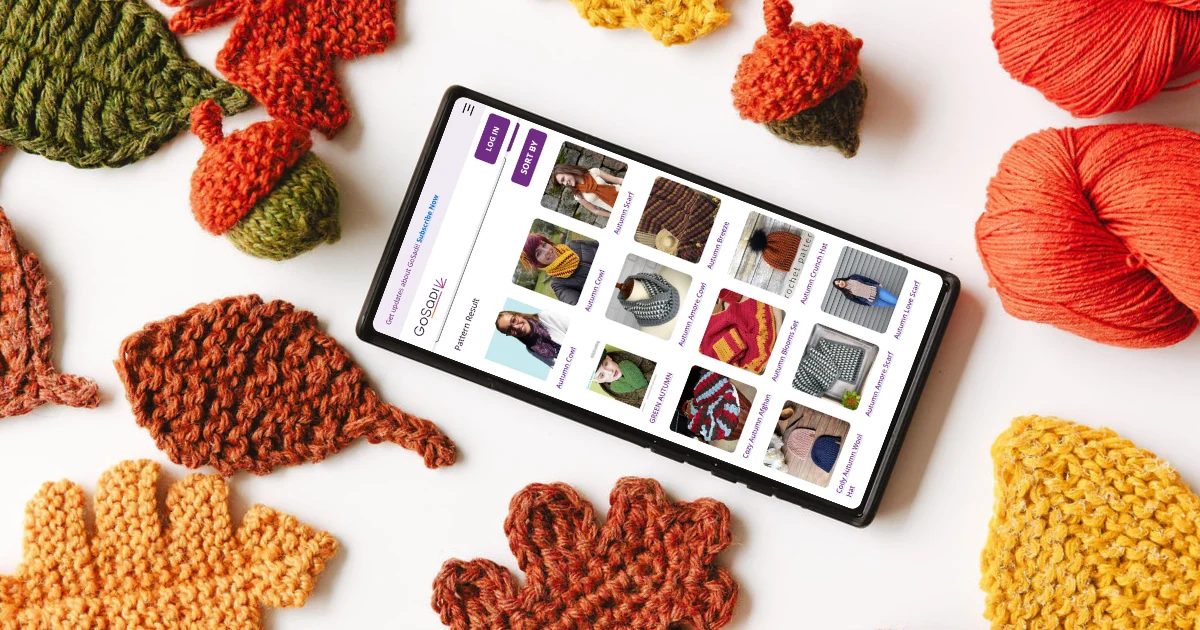
Instead of creating entirely new collections annually, consider curating and bundling your existing holiday patterns into fresh collections. Refresh the photography if needed. Update the language slightly for current trends. Group patterns thematically: “Cozy Autumn Collection,” “Holiday Gift Projects,” “Halloween Accessories.” You’re giving older patterns new life while reducing your creation workload.
This strategy works especially well if you’re launching new patterns alongside reprised classics. A bundle of three holiday sweaters (one brand new, two beloved classics) feels more substantial than releasing them individually.
What Makers Are Searching For Right Now
On Ravelry: Handspun Evolution
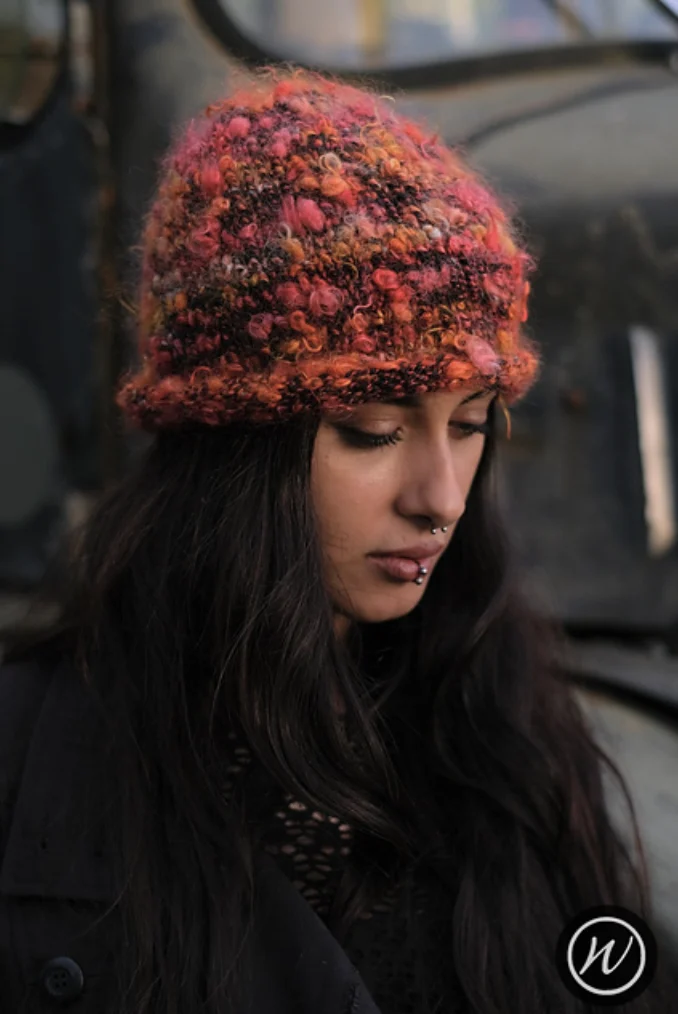
Ravelry is seeing a surge in makers interested in working with their own handspun yarn. According to their trend report: “There’s something especially rewarding about knitting, crocheting, or weaving with our own handspun yarn and seeing our work transformed into something special, stitch by stitch.”
If you design patterns that showcase handspun yarn — simple silhouettes that let gorgeous yarn textures shine or projects specifically designed for variegated yarn — this trend is worth leaning into. Consider refreshing your pattern descriptions to specifically call out that handspun fiber. In your descriptions and marketing, speak directly to makers interested in this trend. They’re actively searching for patterns that feel make-worthy for their handspuns.
On Etsy: Handmade as an Act of Rebellion
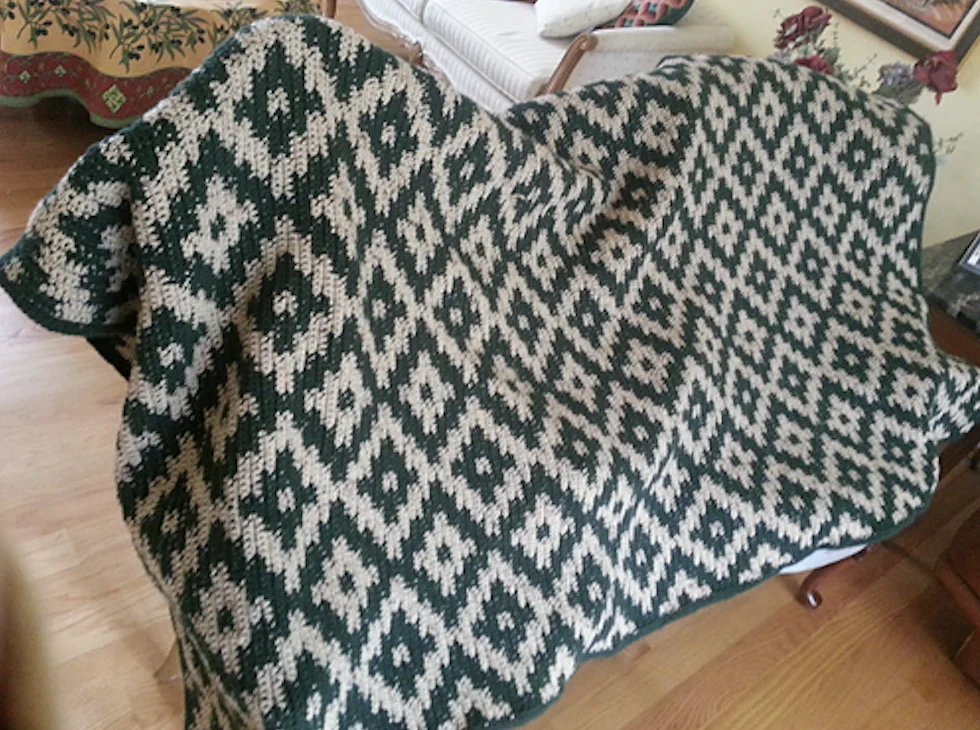
The broader fashion landscape is witnessing a pushback against AI-generated sameness. Gen Z especially is choosing handmade pieces — either learning to crochet themselves or buying from makers who do. They’re drawn to visible details: intentional stitching, visible mending, and the unmistakable mark of human hands.
This shift shows up in Etsy search trends: embroidered bags are up 77% with Gen Z and sales for crochet clothing are up 36%. The common thread? These are pieces that feel intentional, personal, and unmistakably made by someone.
For you as a designer, this means doubling down on what makes handmade special. Highlight texture through close-up photography. Share process shots showing stitching and construction details. Write descriptions that communicate craftsmanship. Use keywords that celebrate the human element — “handmade,” “artisan,” “handcrafted.” When makers search for pieces that feel personal and real, your patterns should be there.
August & Fall Trends
Wedding Heirlooms (Yes, Even Though It’s Summer)
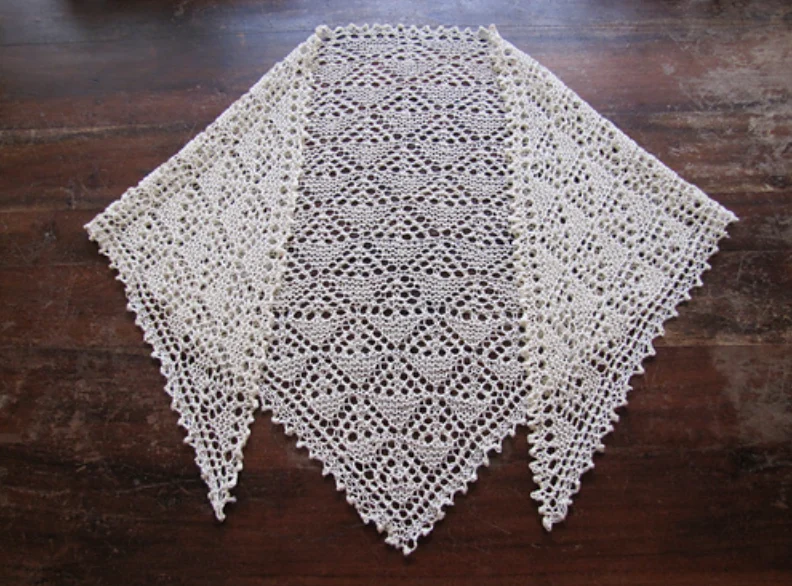
You might assume wedding-related patterns peak in spring. But think backward from when it needs to be finished.
A bride getting married in spring 2027 is searching for veils, shawls, stoles, and wedding accessories right now. She’s already in planning mode, looking at inspiration on Pinterest, collecting ideas, calculating timelines. If your wedding pattern goes live in August or September, you’ll catch her exactly when she’s ready to start a project.
This timing also positions your patterns for gifting, e.g. family members wanting to contribute something handmade, or friends coordinating matching accessories. The further ahead you can go, the more time you give your community to complete these meaningful pieces.
Basic Wardrobe Builders
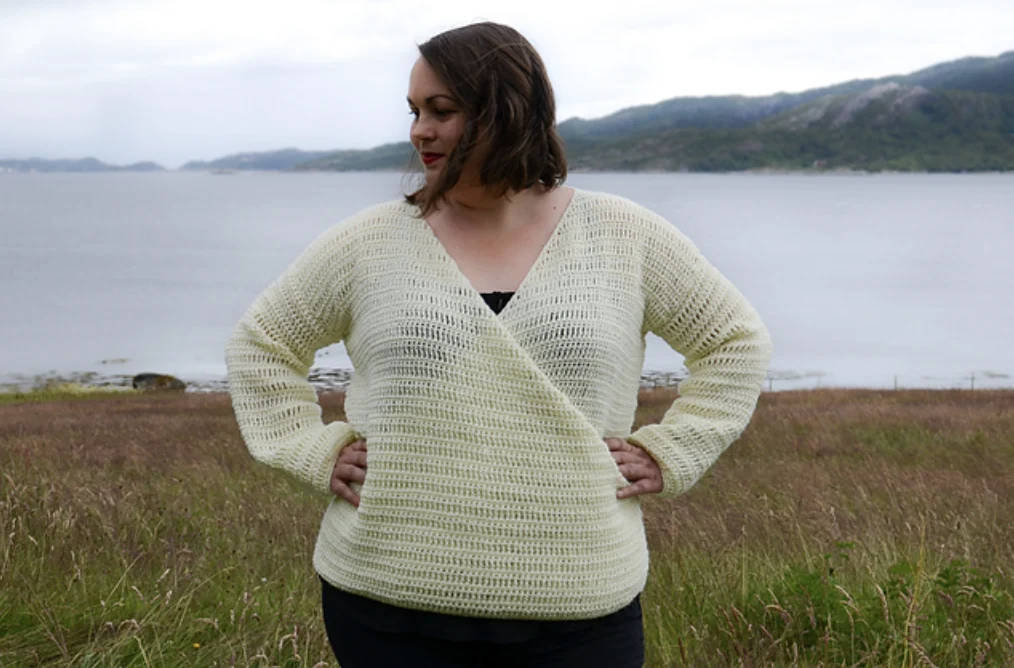
As people mentally transition from summer into fall — thinking about back-to-school, the end of summer Fridays, and more workplaces shifting back to in-person from hybrid — they start seeking everyday knits and crochets. These are the sweaters, cardigans, and layers that work in professional settings without demanding attention.
This trend accelerates as August turns to September. The demand for “basics that work” peaks exactly when people need them. If you design classic cardigans, simple pullovers, everyday shawlettes, or versatile layers, these next two months are your moment to get them in front of makers.
Pop Culture & Entertainment Moments
Spider-Man: Brand New Day (July 31, 2026)
Marvel moves fast with copyright claims, but if you already have spider-themed patterns in your plans for October — Halloween costumes, amigurumi spiders, spider web shawls — consider releasing them early to catch the pop culture wave. You might not be able to use “Spider-Man” directly in your marketing, but pattern releases timed with cultural moments get bonus visibility and search traffic.
Dinosaur Moments (August 14, 2026)
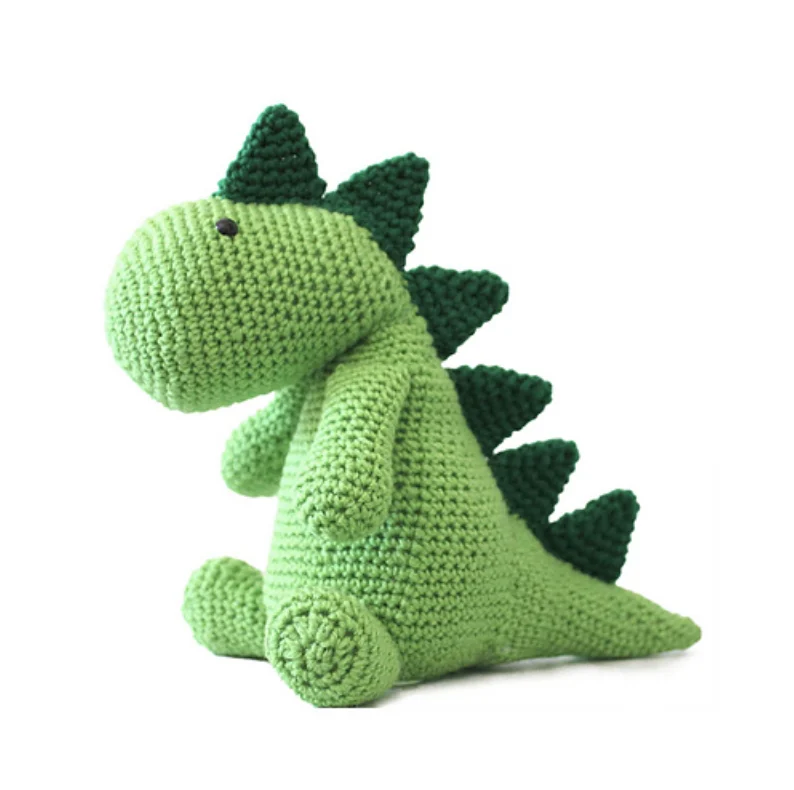
Both “The End of Oak Street” and “PAW Patrol: The Dino Movie” release on the same day, both with dinosaur themes. Amigurumi designers especially should consider dinosaur plushies hitting their shop in early-to-mid August. Parents looking for movie-inspired crafts and gear will be searching. A dinosaur amigurumi pattern released in early August catches that wave perfectly.
The Hunger Games: Sunrise on the Reaping (November 2026)
The new Hunger Games film features 1970s-inspired costuming and set design, an aesthetic that will absolutely influence mainstream fashion once the movie launches. While the trailer heavily features capes (not knitwear), Hunger Games movies consistently showcase one standout knitwear moment — remember that iconic one-shoulder shawl from the first film?
This isn’t just about designing Hunger Games-inspired patterns; it’s about recognizing that a ‘70s aesthetic will seep into mainstream consciousness post-November. Anticipate demand for patterns reflecting that era: maxi cardigans, vintage-inspired shawls, bell sleeves, earthy tones, rich textures. Design them now, release them in October so they’re available when the trend reaches retail stores in the Spring.
Fashion Week Trends Worth Watching
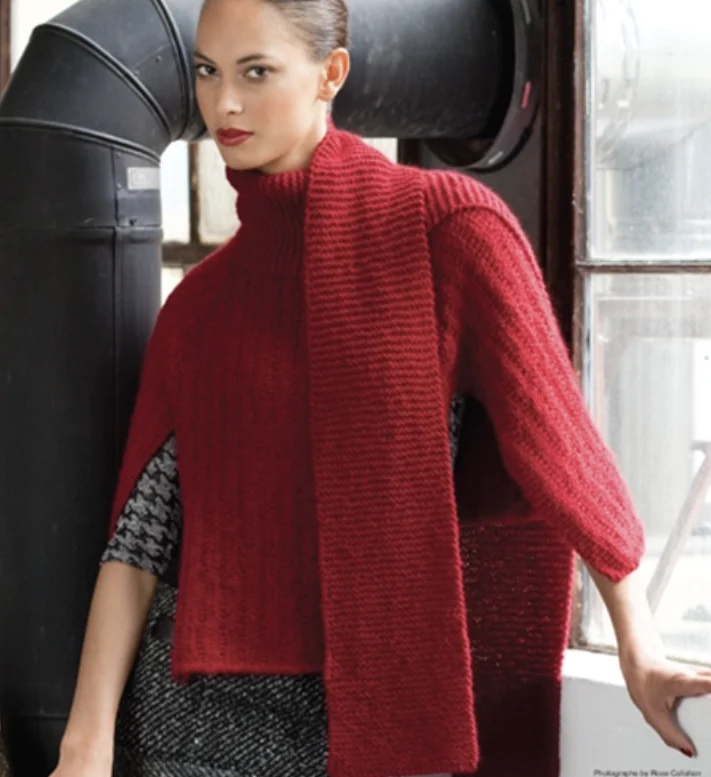
Beyond pop culture, runway shows reveal what fashion-forward makers will be surrounded by and influenced by. This fall and winter, designers are pairing minimalist silhouettes with rich textures — clean shapes elevated by unexpected details like peplum hemlines or voluminous construction.
What does this mean for your knit and crochet patterns? Designers are mixing practicality with personality. Simple base pieces take on personality through texture, proportion, or unexpected construction details. Think classic cardigan with an exaggerated hem. Straightforward sweater with dramatically voluminous sleeves. Understated shawlette with complex stitchwork visible up close.
This approach actually works beautifully for knit and crochet, where texture is inherent to the craft. A minimalist design suddenly becomes interesting when you introduce rich stitch patterns, color work, or unusual construction.
Color Trends for Fall/Winter 2026 – 2027
Pantone’s Fashion Color Trend Report for autumn/winter 2026 – 2027 reflects specific color directions emerging from New York Fashion Week. And they align with trends that were appearing back in January at Vogue Knitting LIVE in NYC. Rather than chasing individual colors, think about the overall palette and mood.
Check Pantone’s full report to see what colors are gaining prominence. This matters because yarn companies are already thinking about which colors to promote and which images to feature in their marketing. If your pattern releases feature colors aligned with trend reports, your photography becomes more valuable to yarn companies seeking images to promote their seasonal colorways.
How to Use Trends Without Losing Yourself
Here’s the crucial distinction: trends should inform your timing and photography, not drive your entire creative vision.
Your unique design voice is why makers follow you. Trends just help you position your existing work in front of people who are actively searching for it at the exact right moment.
Think of it strategically: A social media manager at a yarn company is searching for a dinosaur image to feature in their August newsletter. You release a dinosaur amigurumi pattern on August 8th. They find your image, love it, feature it in their email to thousands of subscribers. Suddenly your pattern reaches people who weren’t following you.
You’re not designing what’s trendy. You’re designing what you love and releasing it when makers are most likely searching for it. That’s the sweet spot between authenticity and strategy.
Plan Your Fall Releases Now
Use the trends and cultural moments ahead as your planning map. Think about which of your existing patterns deserve new life. Identify design gaps where current trends present opportunities.
By September, your fall patterns should be live. By October, your winter and holiday patterns should be visible. Then you’re not scrambling, you’re strategically positioned for the season when makers are most eager to create.